
Auto Injury Chiropractic Care in Leesburg, VA
A thorough evaluation and a recovery plan built around what actually got hurt — for drivers, kids, and expecting moms across Leesburg and Loudoun County.
Recognizing Car Accident Injuries That Need Chiropractic Care
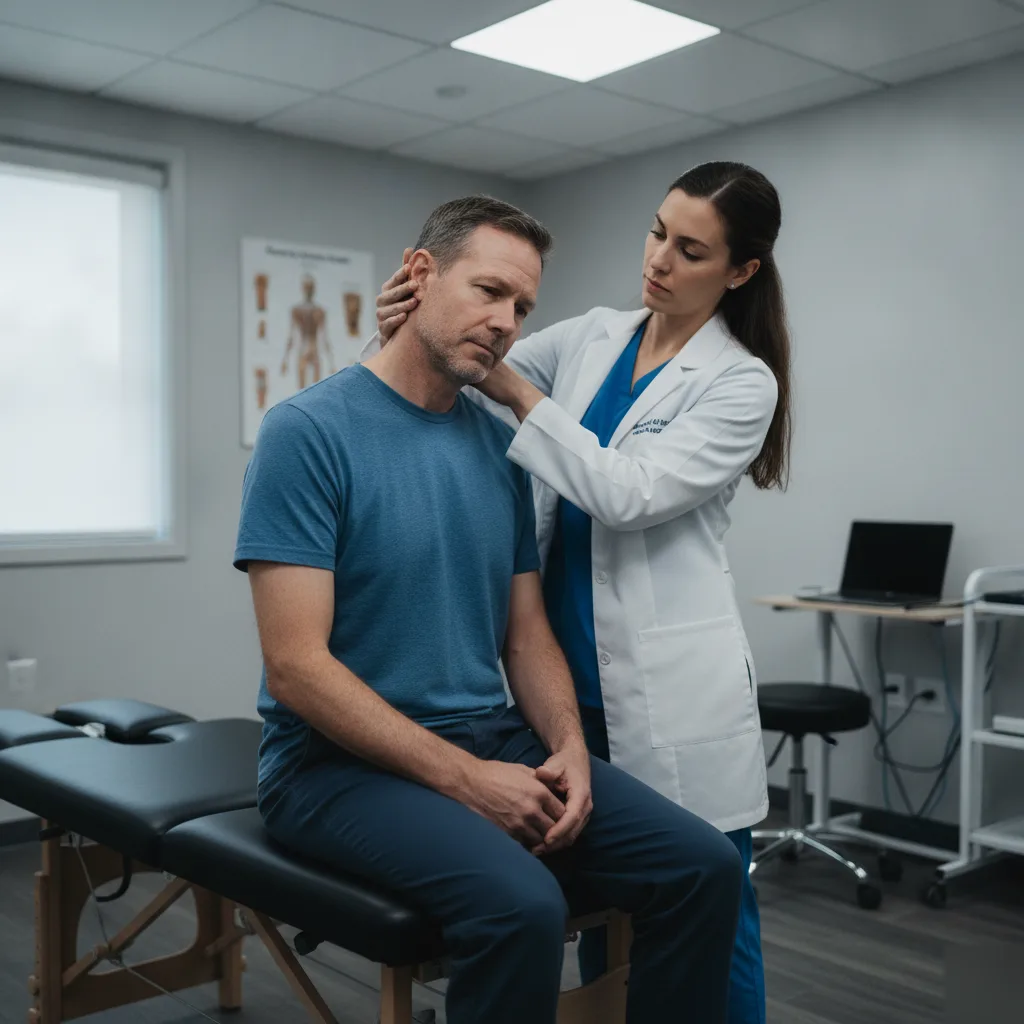
Whiplash, back pain, and neck stiffness after a crash often show up hours or days later, not right away. If you notice headaches, tight shoulders, or tingling in your arms after even a low speed fender bender, that's your body telling you something got jarred loose.
Car accident injuries don't always hurt on day one. We see this every week. Someone walks in a week after their accident saying they felt fine at the scene. Then they woke up the next morning barely able to turn their head.
Route 15 through Leesburg backs up fast during the evening rush, and stop-and-go rear-end collisions are common. Even at low speed, your neck snaps forward and back before you can brace for it — that's whiplash. Here are the signs to watch for:
- Neck stiffness or a headache that starts the day after the crash
- Lower back pain that gets worse when you sit for long periods
- Numbness or tingling running down an arm or leg
- Shoulder tightness on one side, especially near the seatbelt line
- Dizziness or trouble concentrating in the days following impact
Not sure if what you're feeling counts? That's common. Pain from soft tissue damage builds slowly, sometimes over 48 to 72 hours. If something feels off, even a little, get it checked. Waiting rarely makes it easier to treat.
Neck stiffness showing up a day after your Route 15 fender bender? Find out what that means.Deciding Between Chiropractic Care and Emergency Treatment
After a fender-bender on the Leesburg Bypass or a harder hit near Route 15, the first question is about how serious the injury is. Chiropractic care is excellent for musculoskeletal strain. It is not a substitute for emergency medicine when certain symptoms appear. Knowing the difference protects your health and prevents wasted time. Watch for these red flags:
- Numbness or tingling in the arms, hands, legs, or feet, indicating nerve compression or spinal cord involvement
- A severe headache or one that worsens over minutes to hours after the crash
- Any loss of consciousness, even briefly, at the scene
- Inability to move or rotate the neck without sharp, guarding pain
- Chest pain, difficulty breathing, or abdominal swelling
- Visible deformity, uncontrolled bleeding, or suspected fracture
Any one of these signs means the emergency room comes first. Loudoun County residents are close to Inova Loudoun Hospital and StoneSprings Hospital Center. Both are appropriate first stops when these red flags are present. A chiropractor can coordinate care afterward. Ruling out fracture, internal injury, or spinal cord compromise requires imaging and emergency-level diagnostics.
Mild stiffness, general soreness, a dull ache in the neck or lower back, or reduced range of motion without numbness typically falls within chiropractic scope. These are the classic presentations of whiplash and soft-tissue strain. A same-day or next-day chiropractic evaluation can identify restricted joints, muscle guarding, or early inflammation before they become chronic.
Special caution applies to young passengers in car seats and pregnant occupants. Children absorb collision forces differently than adults. A seemingly minor impact can still warrant a pediatrician's assessment before or alongside chiropractic evaluation. Pregnant passengers should always be checked by an OB or emergency provider first to confirm fetal well-being, even when the mother's own symptoms seem mild. Once medical clearance is established, gentle, pregnancy-safe chiropractic techniques can address the musculoskeletal aftermath.
This honest triage approach is why families across Leesburg trust our office to tell them plainly when they need the ER versus when a chiropractic evaluation is the right next step.
What to Expect at Your First Auto Injury Visit
Walking into a chiropractic office after a car accident on Route 15 or the Leesburg Bypass can feel like a lot. This is especially true if you're not sure what happened to your body yet. Your first visit is designed to slow things down and get a clear picture of your accident, your symptoms, and your daily life before we ever touch a treatment table. Here's what that first visit includes:
- A detailed conversation about how the collision happened, including speed, point of impact, and whether you were the driver, passenger, or a parent with kids in the car
- A hands-on posture and range-of-motion assessment checking your neck, shoulders, mid-back, and lower back for restriction, swelling, or muscle guarding
- A review of symptoms that may not have appeared yet, since whiplash, disc irritation, and soft tissue damage often show up 24 to 72 hours after impact
- A discussion of your daily routine, whether that's commuting to Dulles, managing a household, or keeping up with active kids, so the plan fits real life
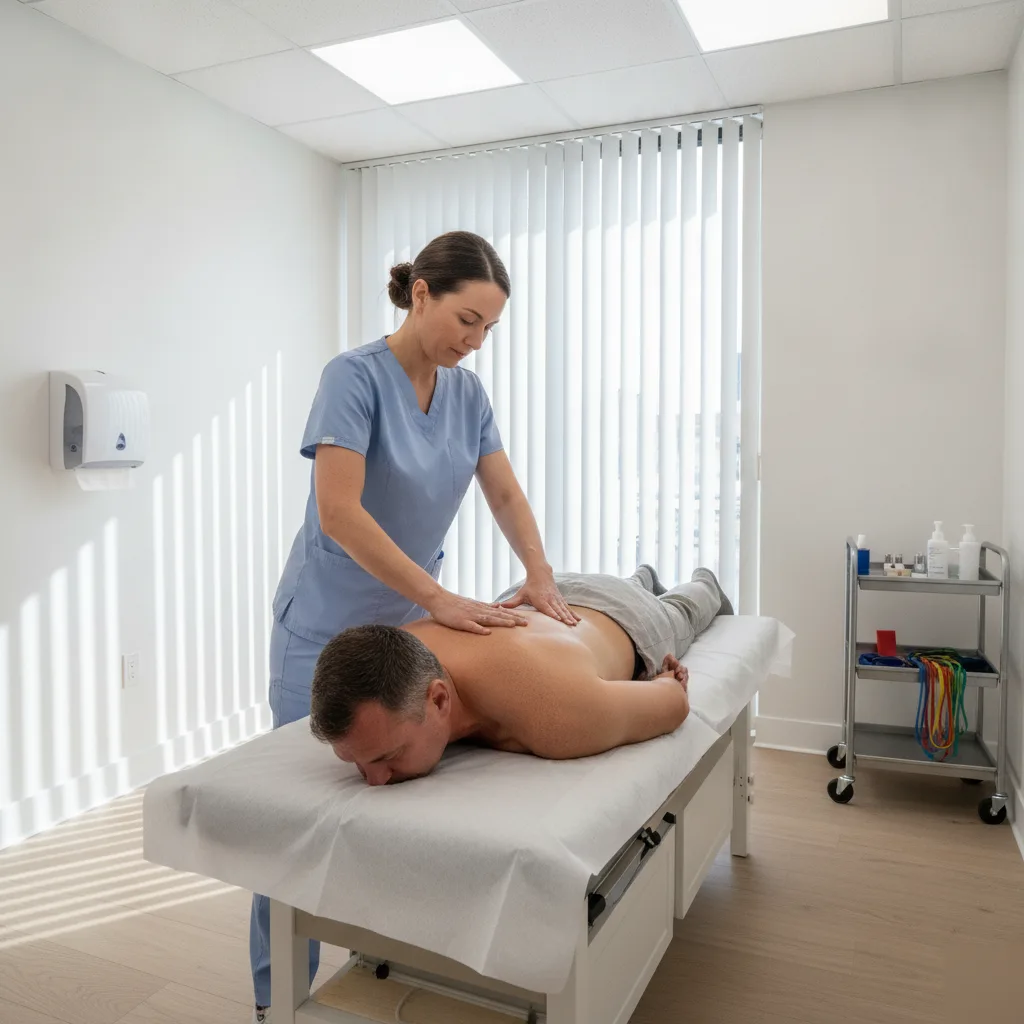
The posture and range-of-motion check is often where patients realize how much their body has already compensated. We're looking for subtle asymmetries, tightness patterns, and movement limitations that a general physical might miss. This isn't a five-minute glance. It's a thorough physical exam that becomes the baseline we compare against at every follow-up visit.
Delayed symptoms are common after auto collisions. We spend real time asking about headaches, jaw tension, numbness, sleep disruption, and mood changes, not just back pain. Parents frequently mention that their child seemed fine at the scene but later complained of neck stiffness or trouble concentrating at school. This kind of detail shapes a pediatric-specific plan.
From there, we build a treatment plan around your findings, not a one-size-fits-all protocol. An active adult recovering from a rear-end collision needs a different frequency of care than a toddler who was in a car seat during a side impact or a grandmother managing pre-existing arthritis. Every recommendation, from adjustment technique to therapeutic exercises, is matched to your exam results.
You'll also leave with clear documentation of your exam findings, diagnosis, and care plan. This paperwork is formatted to support insurance claims. When needed, it can be shared directly with your attorney to help substantiate your case.
Auto Injury Care for Pregnant Patients and Growing Families
Car accidents don't wait for a good time. If you're pregnant when it happens, the questions come fast. Can I still get adjusted? Is this seatbelt bruise a problem? Will the baby be okay? We hear these questions often.
A fender bender at 32 weeks feels nothing like the same crash without a belly in the way.
The seatbelt sits lower and tighter as pregnancy goes on. This changes how force travels through your hips and low back on impact. Pregnancy hormones also loosen your ligaments, so even a slow speed crash can leave you sore in spots that catch you off guard. Our team is woman-owned, led by two doctors who work with expecting moms every day. That shows in how we handle auto injury cases during pregnancy. Adjustments get modified for your stage. Positioning keeps pressure off your belly entirely.
Kids in the back seat get hurt too, and they often can't tell you what's wrong. Watch for:
- Won't turn their head as far to one side as before
- Complains of neck stiffness a day or two later, not right away
- Fights the car seat more or seems fussier at bedtime
None of that automatically means something's broken, but it's worth a look, especially for younger kids who can't describe pain well. Pediatric chiropractic care and infant chiropractic care both use gentle, low-force methods built for smaller bodies — there's no rough handling involved. The same goes for prenatal chiropractic care after a crash: it's never a one-size-fits-all adjustment. Your treatment plan should match exactly where you and your family are right now.
Serving drivers, kids, and expecting moms across Leesburg and Loudoun County.How Insurance and Billing Work After a Virginia Car Accident
One of the biggest questions Leesburg patients ask after a collision on Route 7, the Greenway, or anywhere else in Loudoun County is simple: who pays for auto injury care? Virginia law offers some built-in protection here. According to Virginia law, every auto insurer operating in the Commonwealth is requested to offer Medical Expense Coverage, commonly called MedPay, with a minimum benefit of $2,000 unless the policyholder rejects it in writing.[1] If you or your household carries MedPay, it can often be used to cover auto injury visits directly, regardless of who caused the accident. This means treatment can start without waiting on fault to be determined.
When MedPay is unavailable, exhausted, or declined, there are still practical paths forward. Many patients bill care through their personal health insurance. Then they pursue reimbursement for co-pays or deductibles as part of a personal injury claim. In cases where a liability claim is clearly pending against an at-fault driver, some patients arrange to have care rendered under a lien or letter of protection. This means payment is deferred until the claim resolves. Each route has different paperwork and timing implications. It helps to have staff who are familiar with how Virginia adjusters and attorneys typically handle these arrangements. Here are the most common paths patients use:
- MedPay through your own auto policy, often usable regardless of fault
- Personal health insurance, with potential reimbursement later through a claim
- A lien or letter of protection while a liability claim is pending
- Coordination with an attorney's office when a case is already underway

Billing questions matter. Timing matters just as much. Virginia's statute of limitations for personal injury claims arising from a car accident, according to Virginia law, generally allows two years from the date of the crash to file suit. Waiting to get evaluated does not extend that window.[2] Delayed treatment can also make it harder to connect current symptoms back to the collision. Getting checked promptly protects both your health and your legal options, even if you feel fine at first.
Frequently Asked Questions
Common questions from Leesburg patients after a car accident.
How soon after a car accident should I see a chiropractor in Leesburg?
You should get checked within a few days, even if you feel fine right now. Whiplash and soft tissue damage from crashes on Route 15 or the Leesburg Bypass often take 24 to 72 hours to show up. Many people feel okay at the scene, then wake up stiff and sore the next morning. Waiting weeks to get evaluated makes recovery harder. A same-day or next-day visit lets us catch restricted joints and muscle guarding early, before they turn into a bigger problem.
What should I bring to my first auto injury chiropractic visit?
Bring any accident report, photos of the crash, and a list of your symptoms since impact. It also helps to note your speed, point of impact, and whether you were driving or a passenger. We use this to build your posture and range-of-motion baseline. If you saw a doctor at Inova Loudoun Hospital or StoneSprings Hospital Center first, bring those records too. This lets us coordinate your care instead of starting from scratch.
Should I go to the ER or a chiropractor after my accident?
Go to the ER first if you have numbness, severe headache, chest pain, or lost consciousness. These signs need imaging and emergency diagnostics that a chiropractic office can't provide. Loudoun County residents are close to Inova Loudoun Hospital and StoneSprings Hospital Center for this. If your symptoms are more general stiffness, soreness, or reduced neck motion without numbness, a chiropractic evaluation is usually the right next step. We can coordinate with your emergency provider afterward.
How long does treatment take after a car accident?
There's no single timeline, since it depends on how your body responds to the crash. An active adult recovering from a rear-end collision needs a different care schedule than a child who was in a car seat during impact. Your first visit sets a baseline through a hands-on exam, then we track progress at each follow-up. Some symptoms, like jaw tension or sleep trouble, show up later and get factored into your plan as they appear.
Is it safe to bring my child in for a chiropractic check after a fender bender?
Yes, but pediatric cases need extra care since kids absorb crash forces differently than adults. A minor-seeming impact can still cause neck stiffness or trouble concentrating at school days later, even when your child looked fine at the scene. We recommend a pediatrician's assessment alongside a chiropractic evaluation for young passengers. Parents in Leesburg often notice these delayed symptoms after school starts back up, which is why early monitoring matters.
Can chiropractic care help if I was pregnant during the accident?
Yes, once you've been medically cleared by an OB or emergency provider first. Fetal well-being always comes before musculoskeletal treatment, even if your own symptoms feel mild. After that clearance, gentle, pregnancy-safe techniques can address neck and back strain from the crash. This two-step approach protects both you and your baby while still treating the whiplash or soreness from the impact.