
Webster Technique in Leesburg, VA
A specific, low-force pelvic adjustment for pregnant patients — easing ligament tension and giving baby more room to move into position.
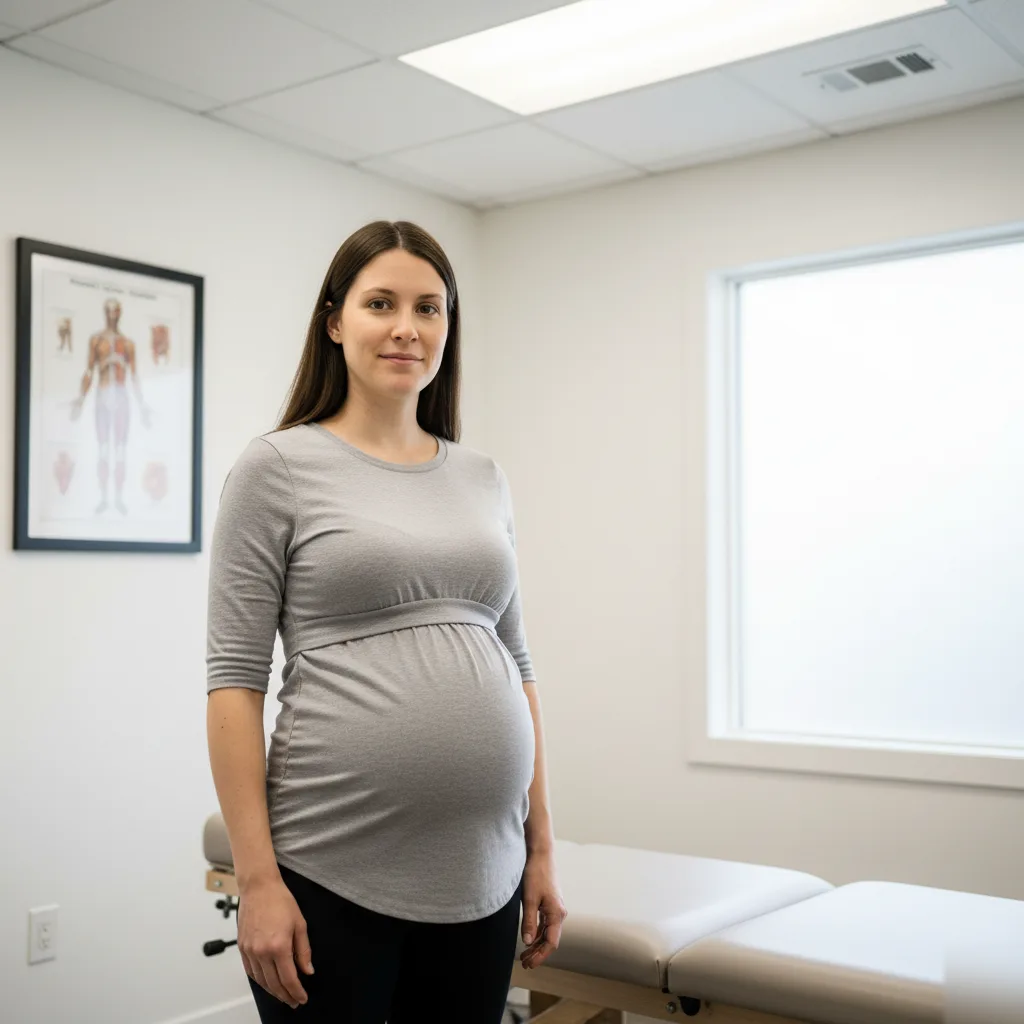
Webster Technique Explained for Expecting Mothers
According to the International Chiropractic Pediatric Association, the Webster technique is a gentle chiropractic method that checks and balances the pelvis during pregnancy. It's not about forcing anything. It's about giving your body room to work the way it's supposed to.[1] We use it most in the second and third trimester, when extra weight and shifting posture start pulling things out of line.
So what happens on the table? We check how your pelvis is sitting, look for tension in the round ligaments, and use a light, specific adjustment to help everything move as it should. No cracking, no twisting. Most moms describe it as barely noticeable. Just a small shift and a sense of relief afterward.
Here's the part people don't expect. A misaligned pelvis doesn't just cause back pain. It can also limit the space your baby has to move into a good position. Your uterus is held in place by ligaments that attach to the pelvis. Tightness on one side can pull things slightly off center. We see this every week in our Leesburg practice. It's usually around the 28 to 32 week mark when moms start feeling more pressure or discomfort low in the belly.
This is where the whole approach makes sense. Instead of chasing symptoms one at a time — hip pain, sciatica, trouble sleeping — we're looking at the pelvis as the root of a lot of that discomfort. Balance the pelvis, and a lot of those other complaints tend to ease up on their own.
Not sure if your discomfort is pelvis related or just normal pregnancy soreness? That's a fair question, and it's one we walk through with every new mom who comes in.
Leesburg's family chiropractic office.Signs You May Benefit from Webster Technique
So how do you know if this is what your body needs? Most moms don't walk in saying 'I need Webster technique.' They walk in saying their hips feel off, or their lower back has been screaming for weeks. We're looking at the same handful of signs.
- One hip sits noticeably higher than the other when you stand in front of a mirror
- Lower back or hip pain that gets worse as your belly grows, especially past 20 weeks
- You can't find a comfortable sleeping position no matter how many pillows you use
- Round ligament pain that feels sharp or pulling on one side more than the other
- Your provider has mentioned your baby is breech or in a less than ideal position
- Pelvic pressure or a feeling of tightness that doesn't ease up with rest
A quick scenario. A mom comes in around 32 weeks, third trimester, saying she just can't get comfortable anymore and her midwife mentioned the baby seems to be a sitting breech. That combination — positional discomfort plus a breech note from her provider — is exactly the picture we look for.
Not every ache means you need this.
Some tightness and stretching is just normal pregnancy stuff; your body is growing a person, after all. But if the pain is one-sided, getting worse, or your provider has flagged positioning, those are the signals worth paying attention to. We check pelvic alignment and sacral movement first. That's how we figure out if Webster technique is the right fit for what's going on with you.
When Webster Technique Isn't the Right Fit
It works with sacral and pelvic alignment during pregnancy, easing tension in the ligaments that support the uterus. That's it. It's not a general fix for pregnancy aches, and it's not meant for patients who aren't pregnant.
We get calls every week from people who assume Webster technique is just a name for prenatal chiropractic care in general. Not always. If you're dealing with hip pain that started before pregnancy, or you're not pregnant at all, a standard chiropractic adjustment is usually the better tool for the job.
Some situations need a doctor first, not a chiropractor. Wondering if your symptoms fall into that group? Here's what tells us to send someone straight to their OB or the ER instead of the treatment table:
- Vaginal bleeding or fluid leakage at any point in pregnancy
- Sudden, severe abdominal pain that doesn't ease with rest
- A noticeable drop in fetal movement
- Signs of preeclampsia, like sudden swelling in the face or hands, or vision changes
- Any suspected labor complication
If none of those apply and you're just uncomfortable, that's a different conversation entirely.
We also won't push Webster technique on someone who's already had a version-related issue resolved by their OB, or whose discomfort traces back to an old injury unrelated to pregnancy. In those cases, we'll say so plainly and talk about what fits, whether that's a different chiropractic adjustment approach or a referral outside our office. Telling you the truth matters more to us than filling a treatment slot.
What to Expect During a Webster Technique Visit in Leesburg
First visit jitters are normal. Most moms walk in wondering if this is going to feel strange or uncomfortable, and it doesn't.
We start every Webster technique visit the same way, checking in on how you're sleeping, where you're sore, and how the baby's been moving. That part matters more than people think. Your pelvis doesn't tighten up in a vacuum. It's connected to how you're sitting at work, how you're sleeping, whether you're favoring one side. So before any hands-on work happens, we do a quick assessment:
- A short check-in about pain, sleep, and baby's activity
- A gentle assessment of pelvic alignment and hip movement
- The Webster technique adjustment itself, done with you lying comfortably on your side or in a supported position
- A few minutes of light muscle work if your low back or hips are tight
- A quick chat about what to expect over the next day or two

The adjustment itself is quick. No cracking, no popping, no forceful pressure. It's a specific, gentle contact on the pelvis, held for a few seconds at a time.
Patients tell us it felt like almost nothing happened. Then they notice they can breathe deeper walking out to the car. Some feel looser right away. Others notice changes over the next day. Both are normal.
Wear something comfortable so you can move in. Don't worry about timing it around anything special. We work with you wherever you are in your pregnancy.
How to Verify a Chiropractor's Webster Technique Training
Not every chiropractor who says they do Webster technique trained specifically for it. General chiropractic school teaches spinal adjustments. It doesn't automatically include the pregnancy-specific work Webster technique requires. So before you book, ask a few direct questions.
A good sign? The doctor can explain, in plain terms, why the technique focuses on the pelvis and the round ligaments instead of just the low back. If they can't answer that clearly, keep looking.
- Ask if they've completed specific training in Webster technique, not just general prenatal adjusting
- Ask how many pregnant patients they currently see using this approach
- Ask what they check for before adjusting, not just where it hurts
- Ask how they'd handle it if your pregnancy has any complications
- Look for reviews from other pregnant patients, not just general reviews
Our team includes two experienced female doctors who keep up with ongoing continuing education. This matters a lot in a technique that gets refined as more research comes out. We've built a 5.0 rating from over 150 patient reviews, and a good chunk of those come from moms who asked us these exact questions before their first visit.
It's fair to ask. This is your body and your pregnancy, not a generic adjustment.
Trained Webster technique doctors, Leesburg.Frequently Asked Questions
Common questions from expecting Leesburg moms about Webster technique.
What happens during my first Webster technique visit in Leesburg?
Your first visit starts with a simple conversation about your sleep, pain, and how the baby has been moving. Then we do a gentle check of your pelvic alignment and hip movement before any hands-on work begins. The adjustment itself is quick and gentle, done while you lie comfortably on your side. There's no cracking or popping. Many moms are surprised at how relaxed the whole visit feels, especially after building it up in their head as something intense.
When should I start Webster technique during pregnancy?
Most moms benefit most in the second and third trimester, once extra weight and shifting posture start pulling the pelvis out of balance. In our Leesburg practice, we see many moms come in around 28 to 32 weeks, right when pelvic pressure and low belly discomfort tend to ramp up. That said, if your hips feel off earlier, there's no reason to wait. Getting checked sooner can head off weeks of unnecessary discomfort.
Can Webster technique help if my baby is breech?
Webster technique focuses on balancing your pelvis and easing tight ligaments, which can give your baby more room to move into a good position. We often see moms around 32 weeks whose midwife has mentioned breech positioning alongside one-sided hip or back pain. Addressing pelvic alignment is the goal, not forcing a turn. Every pregnancy is different, so we always talk through your specific situation before setting expectations for what adjustments can do.
How is Webster technique different from a regular chiropractic adjustment?
Webster technique targets sacral and pelvic alignment specifically for pregnancy, while a regular adjustment covers general spine or joint issues. If your hip pain started before you were pregnant, or you're not currently expecting, a standard adjustment is usually the better fit. We get this question a lot because people assume Webster technique is just another name for prenatal chiropractic care. It's a specific, narrower tool used for a specific job.
What should I do after a Webster technique adjustment?
Most moms just need to rest and pay attention to how their body feels over the next day or two. We spend a few minutes at the end of each visit talking through what to expect, since everyone responds a little differently. Some notice relief right away, others feel it more the next morning. If sharp pain, bleeding, or reduced baby movement shows up, call your OB right away — don't wait it out.
Source
[1] International Chiropractic Pediatric Association. icpa4kids.com/training/webster-certification/webster-technique