
Chronic Pain Management in Leesburg, VA
A tailored plan built around your spine, your history, and the patterns behind the pain — not just the spot that hurts today.

Chronic Pain Looks Different for Every Patient
Chronic pain shows up differently in every person we see: back pain from years of desk work, hip pain after pregnancy, headaches tied to neck tension. Because the causes vary so much, we look at your whole body and your history before building a tailored care plan, not just the spot that hurts.
No two chronic pain cases walk through our door the same way. One patient tells us her lower back has ached since her second pregnancy, three years ago, and nothing has helped. Another is a Leesburg contractor whose neck locks up every afternoon from years of looking down at plans. Someone else has had migraines since college and just accepted them as normal.
We often see pain that started small and got ignored until it became part of daily life.That's the problem with chronic pain. It doesn't announce itself with one clear cause. It builds from posture, old injuries, stress, pregnancy changes, repetitive movement, sometimes all of it stacked together.
- Sciatica that flares with sitting or driving long distances
- Hip pain that started during or after pregnancy
- Neck and shoulder tension from desk work or phone use
- Herniated disc pain that comes and goes with certain movements
- Headaches and migraines linked to jaw or upper neck tightness
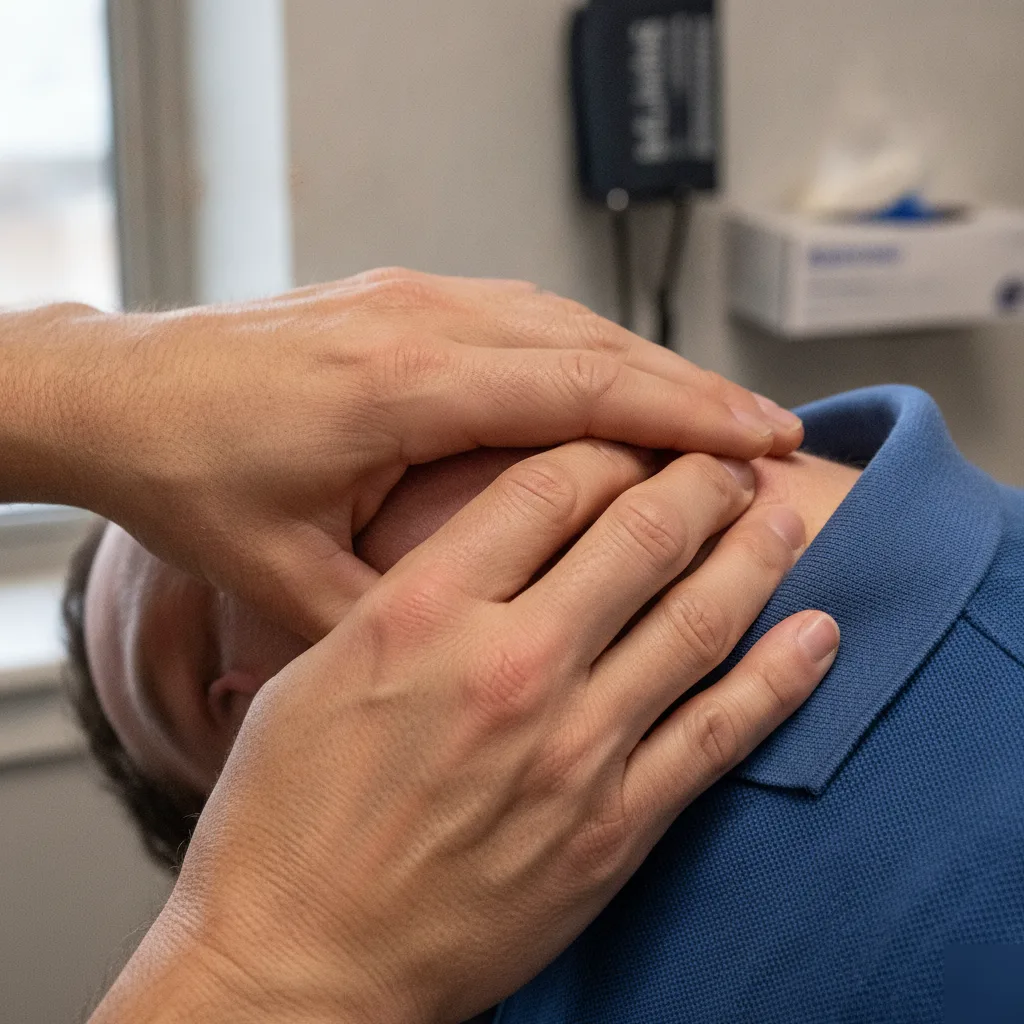
Not sure your pain fits a clean category? That's common. Many people's pain doesn't fit neatly into one box. We ask about your daily habits, your sleep, your work, even how you carry your kids, because the answer to why you hurt usually isn't in one spot. It's in the pattern.
When Pain Needs a Doctor First, Not a Chiropractor
Chronic pain management through chiropractic care isn't right for every kind of pain, and we'll tell you that up front. If your pain showed up suddenly with numbness spreading down both legs, or you've lost control of your bladder, that's not a chiropractic case, that's an emergency room visit. We see folks who wait weeks hoping it'll pass, and that wait can matter.
Fever with your back pain? Unexplained weight loss? Pain that wakes you up at 3am and nothing makes it better, not even shifting positions, those aren't things we treat first. According to the National Library of Medicine, those need a medical workup. Could be an infection. Could be something else.[1] We'd rather send you to your doctor than guess.
- Sudden severe pain after a fall with visible swelling or deformity
- Chest pain along with back or neck pain
- Numbness or weakness that's getting worse day by day
- Pain after a car accident with signs of head injury
- A history of cancer with new, unexplained bone pain
So what does that leave for us? Plenty. Much of the chronic pain we see in Leesburg is mechanical: joints that aren't moving right, muscles working overtime for years, old injuries that never fully healed. That's our lane, and it's a pattern we know well.
Not sure which category you fall into? That's a fair question, and it's one our team can help sort out during your first visit, even if the answer ends up being a referral out.
Chronic pain care in Leesburg.What a Root-Cause Care Plan Involves
Here's the thing about chronic pain. It didn't show up overnight, so it's not going to leave after one visit. We build every chronic pain management plan around finding what's driving the pain, not just calming it down for a day or two. That means we're looking at your spine, your posture, how you move, and what's been compensating for what.
- First visit: we talk through your history, when the pain started, what makes it worse, and do a hands-on exam of your spine and joints.
- We check for misalignment and restricted movement using gentle adjustments suited to what we find, not a one-size-fits-all approach.
- For pain tied to disc issues or nerve compression, spinal decompression may be part of the plan to take pressure off the area.
- Roller table therapy often comes in early to relax tight muscles around the spine before deeper adjustment work.
- We layer in acupuncture for pain management when it fits, especially for pain that flares with stress or doesn't respond fully to adjustments alone.
- We re-check progress every few visits and adjust the plan. If something isn't working, we change it.
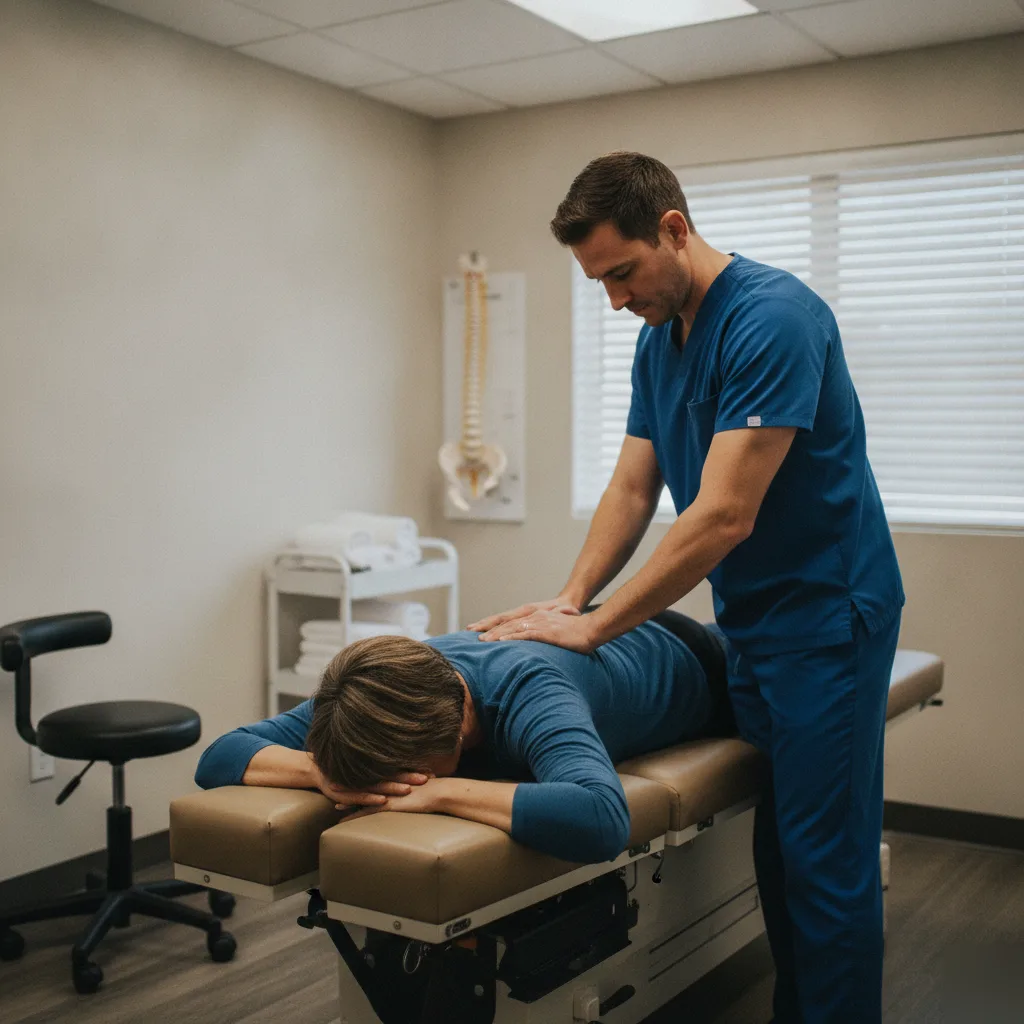
That last step matters more than people think. A plan that never changes isn't really a plan, it's a routine. We watch how your body responds, week to week, and we're not afraid to shift course if the pain pattern shifts too.
Some patients need a few weeks of steady visits. Others need a longer stretch, especially if the pain has been around for years and the body's built up a lot of compensation habits around it. Either way, the plan stays built around your spine and your history, not a generic protocol pulled off a shelf.
Why Chronic Pain Plans Get Abandoned Too Soon
Here's what we see often: someone comes in, feels better after two or three visits, then stops coming. The pain creeps back a month later and they figure nothing really worked. But that's not proof the plan failed. It's proof the plan got cut short.
Chronic pain builds up over months or years, it doesn't unwind in three visits. Your body needs time to relearn how to move without compensating for the old problem. Stop too early and the muscles and joints just slide back into their old patterns.
- Feeling short-term relief and assuming the job is done
- Life getting busy and appointments getting pushed off, then forgotten
- Never getting a full picture of what's driving the pain
- Chasing the sore spot instead of the joint or nerve causing it
- Switching providers every time progress feels slow
It's the same story: a herniated disc or sciatica flare gets treated at the surface, the ache fades, and the root cause never gets addressed. That's why we build care around your actual goals, not just today's pain level. And that's the whole point of chronic pain management done right, it's not one fix, it's a plan you finish.
So what does the finish line look like? It means sticking with gentle adjustments and any supporting care, like acupuncture treatment or nutritional counseling, long enough for your body to hold the change on its own.
How Chiropractic Pain Care Is Typically Priced
Let's talk about money for a second, because we know that's on your mind. Chronic pain management doesn't work like a one-time fix. It's usually a series of visits, and how those visits get priced depends on a few things. Most clinics structure costs around an initial exam, then follow-up gentle adjustments, then any added therapies layered in based on what your body needs.
The first visit almost always costs more than the ones after it. Why? Because that's where the real diagnostic work happens: posture screening, movement testing, sometimes talking through your history for twenty minutes straight. Follow-up visits move faster once we know what we're dealing with.
- How many areas of your body are involved (just your lower back, or your back and hips together)
- Whether spinal decompression or roller table therapy gets added to your plan
- How often you'll need to come in each month as your body responds
- Whether acupuncture or cupping therapy gets combined with gentle adjustments for stubborn pain
- How long you've had the pain and how your body's responding week to week
Here's the thing nobody tells you upfront. A plan that starts heavier on visits often tapers down fast once your body starts holding its gentle adjustments. That's exactly what happens. Ask any provider you're considering three things before you book: what's included in the first visit, how they build a care plan, and how they decide when to space out visits. A straight answer to all three tells you a lot about how they practice.
We keep our pricing conversations honest and upfront, no surprise add-ons buried in fine print. If you want specifics for your situation, that's a conversation, not a guessing game.
Chiropractic care for Leesburg residents.Frequently Asked Questions
Common questions from Leesburg patients about chronic pain management.
How long does chronic pain management take to work?
Most patients need several weeks of steady visits, sometimes longer if pain has been building for years. Chronic pain doesn't unwind in two or three visits because your body has to relearn how to move without compensating. We recheck your progress every few visits and adjust your plan if something isn't working. Stopping early is the most common reason people feel like it didn't help, when really the plan just got cut short.
What happens during my first visit for chronic pain?
We start by talking through your history, when the pain started, and what makes it worse. Then we do a hands-on exam of your spine and joints to check for misalignment and restricted movement. This isn't a quick once-over. We're looking at your whole pattern, not just the spot that hurts, so we can build a plan around what's driving your pain.
Can chiropractic care help sciatica from sitting or long drives?
Yes, sciatica that flares with sitting or driving is one of the most common chronic pain patterns we see in Leesburg. It's usually tied to a joint or disc issue putting pressure on a nerve, not something that shows up out of nowhere. We check for disc-related causes and may use spinal decompression to take pressure off the area, along with adjustments to address the underlying joint problem.
How do I know if my pain needs a doctor instead of a chiropractor?
If your pain came on suddenly with numbness spreading down both legs, or you've lost bladder control, that needs an ER visit, not chiropractic care. Fever, unexplained weight loss, or pain that wakes you at 3am and won't ease with position changes also need a medical workup first. We'll tell you straight if your case looks like one of these, even if that means referring you out.
Why does chronic hip or back pain from pregnancy stick around for years?
Hip and back pain after pregnancy often sticks around because the body compensates for months without the joints and posture ever fully resetting. We see this often in Leesburg, where new moms carry kids, strollers, and car seats daily, which reinforces the same strain patterns. A care plan looks at your posture and movement, not just the sore hip, to break that compensation cycle.
Is acupuncture used alongside chiropractic adjustments for chronic pain?
Yes, we layer in acupuncture when it fits your pain pattern, especially for pain tied to stress or pain that doesn't fully respond to adjustments alone. It's not used for every case. We add it based on how your body responds during care, alongside tools like roller table therapy to relax tight muscles before deeper adjustment work.