
Acupuncture Treatment in Leesburg, VA
Thin needles, a calmer nervous system, and a plan built around what's actually going on — for pain, stress, fertility, and pregnancy support.
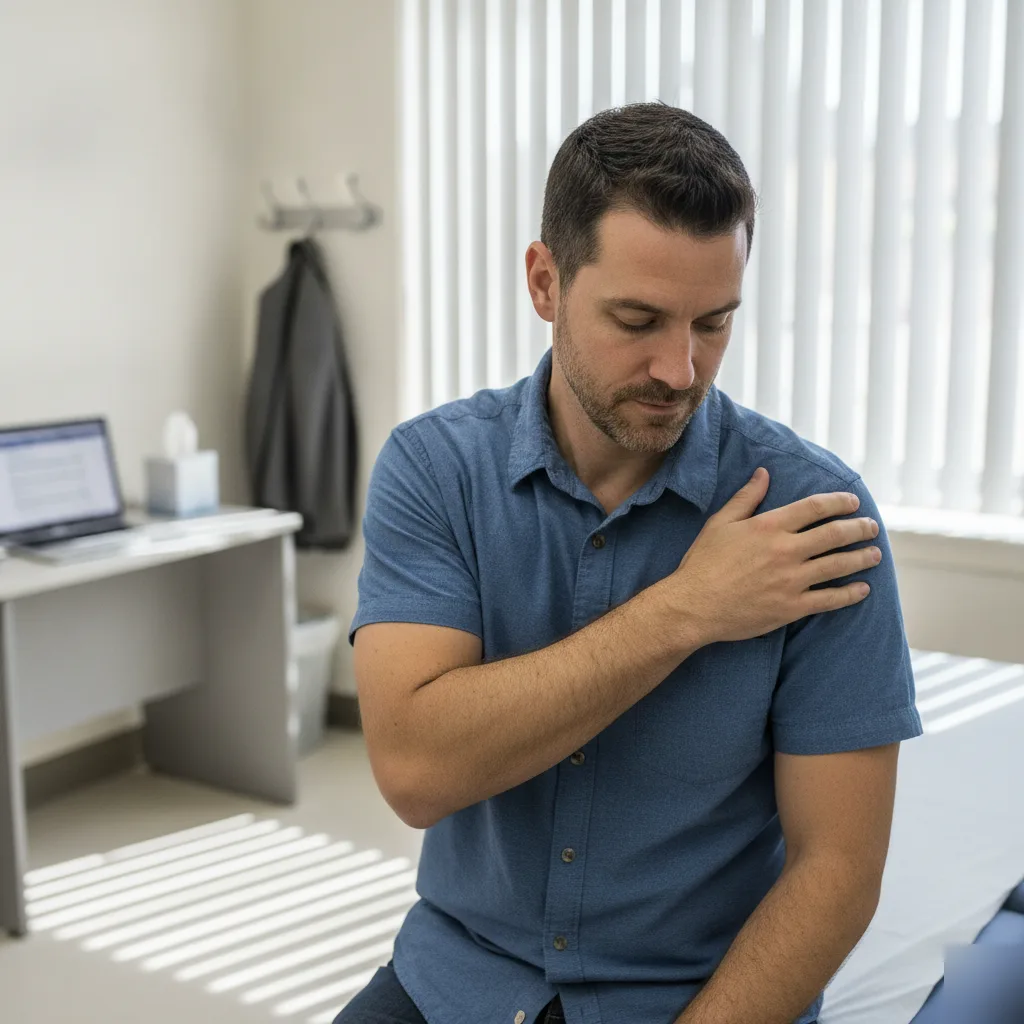
How Acupuncture Works to Relieve Pain and Stress
Acupuncture treatment uses thin needles placed at specific points to calm an overactive nervous system and improve blood flow to sore or tight areas. It doesn't just mask pain, it changes how your body responds to stress and inflammation. Most people feel a heavy, relaxed sensation during the session, not sharp pain.
Nobody fully agrees on every detail of how acupuncture treatment works, but the pattern we see is consistent. Placing needles at certain points sends a signal through your nervous system. That signal tells your brain to release natural pain-relieving chemicals and dial down the stress response. It also increases blood flow to the area, which helps tight muscles and inflamed tissue calm down faster than they would on their own.
We're not just treating the spot that hurts. If you've got a tight neck from stress, we might work points that affect your whole nervous system, not just the muscle itself. That's the difference between chasing symptoms and calming the root cause.

So what does it feel like? Most patients describe a dull ache or heaviness right when the needle goes in, then a wave of relaxation. It's common for people to fall asleep on the table. We see this every week: someone comes in wound up tight from work stress and leaves looking ten years lighter.
The biggest surprise for first-timers is how little the needles hurt. That fear keeps a lot of people from trying acupuncture treatment years before they finally do.
Conditions Acupuncture Can and Cannot Fix
So what does acupuncture help with? According to the National Institutes of Health, acupuncture treatment is used mostly for pain management, stress and anxiety, fertility, and pregnancy.[1] Those are the areas where the research and our own patient experience line up.
- Chronic pain that's been dragging on for months, especially when it flares with stress
- Anxiety and tension that shows up as tight shoulders, clenched jaw, or trouble sleeping
- Fertility support, often alongside other lifestyle changes a patient is already making
- Pregnancy discomfort, from hip pain to general tension as the body changes month to month
- General stress-related complaints that don't have one clear physical cause
Acupuncture isn't the right first step for a broken bone, an acute injury from a car accident, or a herniated disc that's actively pressing on a nerve. Those need a structural evaluation first; we handle a lot of that through chiropractic adjustment and auto injury chiropractic care instead. If you came in after a fender bender on Route 15 with whiplash symptoms, acupuncture might be part of your plan later, but it's not where we start.
We've had patients walk in expecting acupuncture to fix a slipped disc overnight, and we'd be doing them a disservice if we just said yes and sent them home with needles. That's not how this works, and a good practitioner will tell you that on day one, not after several visits.
Not sure which category your situation falls into? That's the most common question we get during a first visit. It usually comes down to whether the problem is mechanical, like a joint that's not moving right, or more systemic, like ongoing stress or hormonal patterns. Our doctors sort that out during a holistic health consultation before anything else happens.
Book a consultation with an expert today.What Happens During Your First Acupuncture Visit
So what happens once you walk in? The first visit starts with a real conversation, not a five-minute rush. Our team sits down with you for a traditional Chinese medicine consultation. We ask about your sleep, your stress, your digestion, your cycle if that applies, old injuries, and current pain. Everything's connected in this kind of care, so the questions cover more ground than you'd expect.
After that, we check your pulse on both wrists and look at your tongue. Sounds strange if you've never had it done. Those two things tell us a lot about what's going on inside your body, patterns that don't always show up on an x-ray or blood test.
Then comes the treatment itself:
- You lie down on a treatment table, fully clothed except for the area we're working on
- Hair-thin needles get placed at specific points, most people feel a light pinch or nothing at all
- You rest for a while with the needles in, many patients doze off
- We remove the needles and check in on how you're feeling
- If it fits your treatment plan, we might add cupping therapy in the same visit
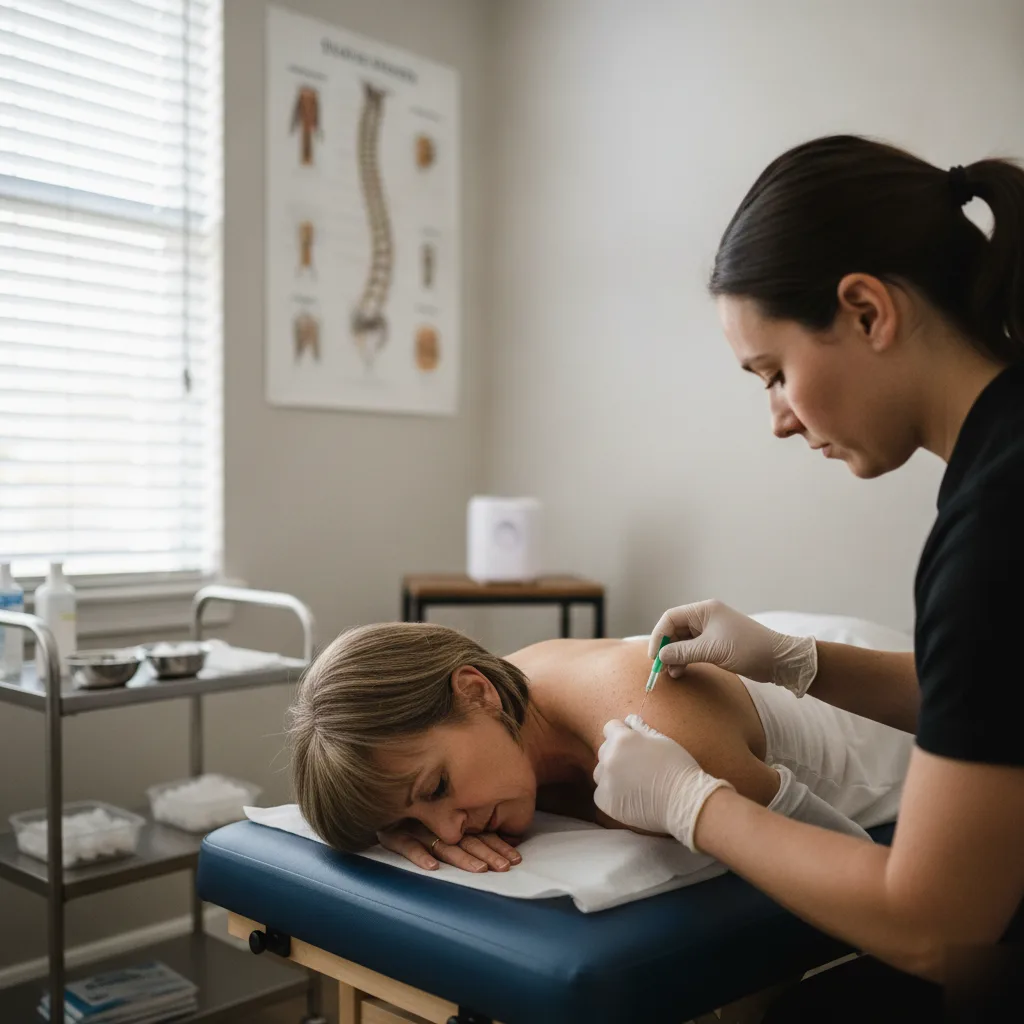
We've had patients from all over Leesburg tell us they expected it to hurt and were surprised when it didn't. That's the most common reaction we get. People leave more relaxed than when they came in, some feel it right away and some notice the shift over the next day or two.
Our two doctors bring years of hands-on training to every visit, so the questions you ask get real answers, not guesses. Bring a list of your current medications and wear loose clothing if you can, it just makes the session easier.
How Acupuncture Pricing and Insurance Typically Work
Let's talk about money, because everybody wants to know before they book. Acupuncture pricing across the industry usually works on a per-session model. Your first visit costs more than follow-ups. The first session includes a full intake, health history, and treatment plan. That takes time. Follow-up sessions move faster because the groundwork's already done.
A few things drive costs up or down in this field. Longer sessions cost more than short ones. Combo treatments, like acupuncture paired with cupping therapy, often run higher than acupuncture alone. How often you come in matters too, some conditions need weekly visits for a stretch, others just need a tune-up now and then.
Insurance is where it gets tricky. Some plans cover acupuncture, some don't, and even the ones that do often cap the number of visits per year or require it be tied to a specific diagnosis. Before you book anywhere, call your insurance and ask these questions directly:
- Does my plan cover acupuncture treatment, and under what conditions?
- Is there a visit limit per year?
- Do I need a referral from my primary doctor first?
- Is there a deductible I need to meet first?
- Does coverage change for pregnancy acupuncture or fertility acupuncture specifically?
Not sure how to even start that phone call? That's normal, insurance language is confusing on purpose sometimes. We're happy to help you figure out what questions to ask, we just can't guarantee what your specific plan will pay. That part's between you and your insurance company.
We always tell people, don't skip a session just because you're unsure about the cost. Call first, ask questions, then decide.
Questions to Ask Before Choosing an Acupuncture Provider
Picking someone to put needles in you shouldn't be a coin flip. Not every provider trained the same way, and not every clinic treats acupuncture as more than an add-on service. Good questions upfront save you a wasted visit, or worse, a treatment plan that never really addresses what's bothering you.
- Ask what conditions they treat most often. If you're dealing with stress and anxiety or you're looking into fertility acupuncture, you want someone who sees that regularly, not once in a while.
- Ask how they'll build your treatment plan. A real intake includes questions about your health history, sleep, digestion, and stress, not just where it hurts.
- Ask if they combine techniques. Some patients do better mixing acupuncture with cupping therapy or getting nutritional counseling alongside their sessions.
- Ask how many sessions it usually takes before people notice a change. Anyone who promises instant results on everything is guessing.
- Ask what a first visit looks like, so you're not walking in blind.
Here's a question people forget: does the provider talk to you about your whole health picture, or just the symptom you called about? We treat a lot of patients here for pain management acupuncture, and just as many come in stressed, wiped out, or trying to support their body through pregnancy. Those cases need a provider who's paying attention to more than the needle placement.
Our team includes two experienced doctors who keep up with ongoing training, and we build every plan around what you tell us during that first conversation. That's not a small thing - it's the difference between a treatment that fades and one that holds.
Acupuncture treatments available in Leesburg.Frequently Asked Questions
Common questions from Leesburg patients before their first acupuncture visit.
Does acupuncture treatment hurt?
No, most people feel a light pinch or nothing at all. The needles are hair-thin, much smaller than the ones used for shots. Most patients describe a dull ache or heaviness right when the needle goes in, then a wave of relaxation. It's common to doze off on the table. The fear of pain keeps a lot of people from trying acupuncture for years before they finally book a visit.
What conditions can acupuncture help with?
Acupuncture works best for chronic pain, stress and anxiety, fertility support, and pregnancy discomfort. These are the areas where research and patient results line up consistently. It's not the right first step for a broken bone or an acute injury, like whiplash from a fender bender on Route 15. Those need a structural evaluation first, often through chiropractic care, before acupuncture becomes part of the plan.
What should I expect during my first acupuncture visit?
Your first visit starts with a full conversation about your sleep, stress, digestion, and past injuries. We check your pulse on both wrists and look at your tongue before any needles go in. Then you lie down fully clothed except for the area being treated, and rest with the needles in for a while. Many patients fall asleep. Bring a list of your medications and wear loose clothing to make the session easier.
How do I know if acupuncture or chiropractic care is right for my problem?
It depends on whether your issue is mechanical or more systemic. A joint that isn't moving right usually needs a structural approach like chiropractic care first. Ongoing stress, tension, or hormonal patterns often respond better to acupuncture. We sort this out during a first consultation before starting any treatment, so you're not guessing which path fits your situation.
Can acupuncture help with stress and tight muscles from work?
Yes, this is one of the most common reasons people book acupuncture treatment with us. Placing needles at specific points calms an overactive nervous system, not just the sore muscle itself. We see it every week, someone comes in wound up tight from work stress and leaves looking ten years lighter. It often takes working points beyond the tight spot to calm the whole stress response.
How does acupuncture pricing typically work?
Acupuncture pricing usually follows a per-session model, with the first visit costing more than follow-ups. That's because your first session includes a full intake, health history, and treatment plan, which takes extra time. Follow-up visits move faster since the groundwork is already done. Longer sessions and combo treatments, like acupuncture paired with cupping, generally cost more than a standard session alone.