
Chiropractic Adjustment in Leesburg, VA
Gentle, controlled adjustments that find where your spine stopped moving right — with techniques adapted for pregnancy, postpartum, infants, and growing kids.
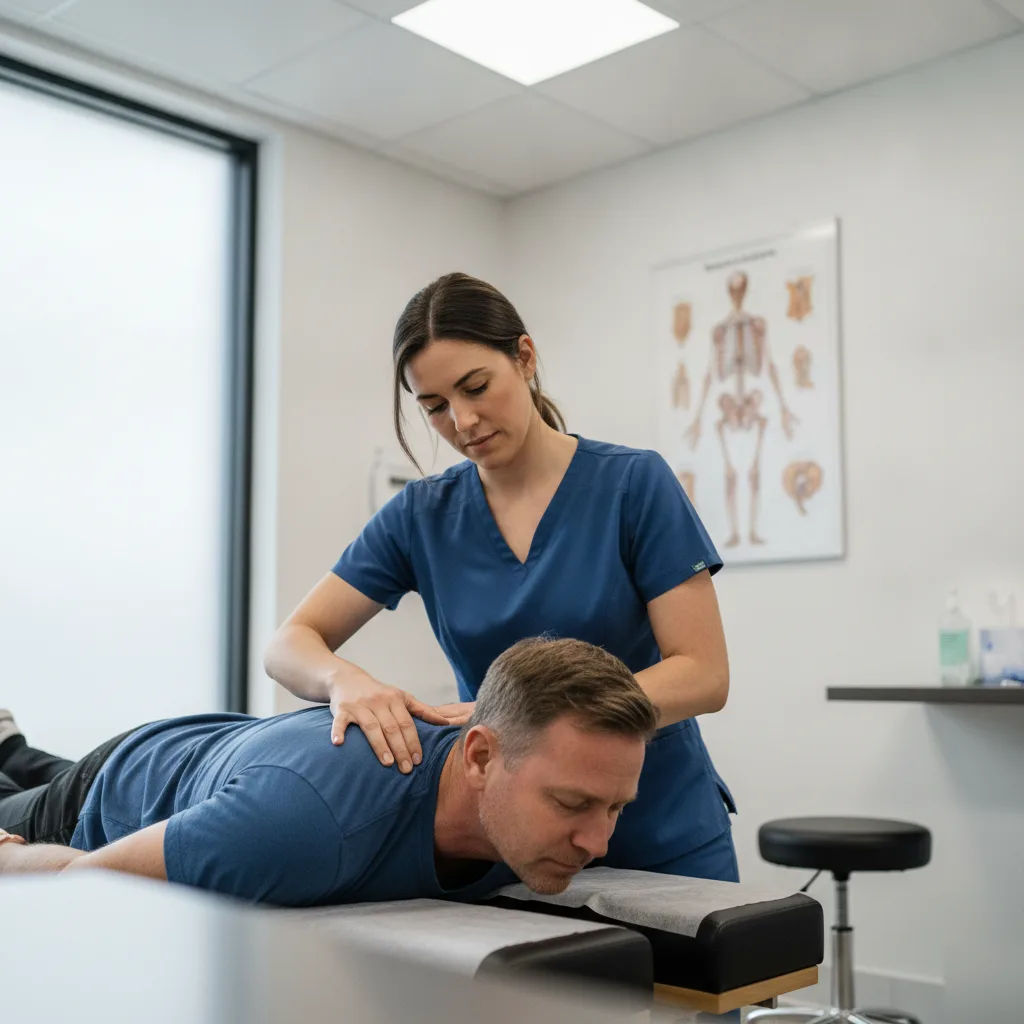
Signs Your Body Needs a Chiropractic Adjustment
Stiffness that doesn't fade, one-sided pain, and headaches tied to your neck are common signs your spine needs attention. If sitting, lifting, or carrying your kids feels harder than it used to, a chiropractic adjustment can often find the real cause.
Your body talks to you before pain shows up. Most people just don't speak the language yet. We see this every week: someone waits three months on a nagging ache before finally booking, and by then it's a bigger problem.
So what should you watch for? Not every twinge means you need care, but a few patterns almost always do:
- Stiffness in your neck or back that doesn't loosen up after moving around
- One hip or shoulder feels lower or tighter than the other
- Headaches that start at the base of your skull, especially after desk work
- Numbness or tingling running down an arm or leg
- Popping your own neck or back just to feel normal for a minute
- Pain that shows up after picking up a car seat, a toddler, or groceries
A lot of Leesburg homes in the older parts of town have narrow staircases and no laundry on the main floor. Hauling baskets up and down all day adds up fast, and we hear about it constantly from new moms.
It's the same root pattern — a joint that's stuck, not moving the way it should. That's the whole point of a chiropractic adjustment. We're not chasing the pain around; we're finding where the movement stopped and restoring it.
Headaches starting at the base of your skull after desk work? Get to the real cause.Is a Chiropractic Adjustment Safe? What Licensing Rules Confirm
So is a chiropractic adjustment safe? Short answer: yes. Licensing boards don't let just anyone adjust a back. A chiropractor has to finish years of doctoral-level schooling, pass board exams, and keep up with continuing education before they're allowed to touch a patient's spine. That licensing process exists for a reason: it filters out guesswork.
Here's what that means for you in the treatment room. A licensed doctor doesn't just start pushing on your back. They check your history first. They look at how you move. They decide whether an adjustment is even the right call. Sometimes it isn't, and a good doctor will tell you that straight up.
We're a woman-owned practice with two experienced doctors on staff, and we hold a 5.0 average rating across more than 150 patient reviews. That doesn't happen by rushing people through. Continuing education isn't optional in this field — it's expected. It's part of why techniques for a pregnant mom or a six-week-old baby look nothing like an adjustment for an adult with a sports injury.
Nervous about your first visit? That's normal. Most people picture something forceful, but a licensed doctor adjusts the pressure and technique to fit the patient in front of them, not the other way around.
So safety isn't just a feeling we hope you have. It's built into the licensing standard every chiropractor has to meet before they open a practice door.
When a Chiropractic Adjustment Isn't the Right First Step
Not every ache belongs on our table first. We see this every week: someone calls worried they need a chiropractic adjustment right away when what they need is a different kind of care, or just time.
If you fell hard, got hit by another car on Route 15, or heard a pop followed by sudden swelling, skip us and get evaluated for a fracture or torn ligament first. X-rays or an MRI answer questions we can't. A chiropractic adjustment on a broken bone or unstable joint isn't just unhelpful — it's risky. Watch for these signs:
- Fever, chills, or unexplained weight loss along with back or neck pain
- New numbness, tingling, or weakness that's getting worse by the day
- Loss of bladder or bowel control alongside spinal pain
- Severe pain right after a high speed crash or a fall from height
- A known fracture, tumor, or infection near the spine
If any of those apply, please see a physician or go to urgent care. We'll say that plainly even though it means turning down a visit.
On the other end, mild soreness from sleeping wrong or a light workout usually settles on its own in a day or two. Rest, ice, gentle movement. That's it.
So how do you know which camp you're in? If the pain is sharp, one-sided, or paired with anything on that list above, don't wait it out. Our doctors will ask about your symptoms before ever putting hands on you. If something sounds outside our lane, we'll tell you straight and point you toward who can help.
What Happens During Your Chiropractic Adjustment Visit
So what does a visit look like? Nothing scary, we promise. Most first visits start with a quick conversation about what's bothering you, where it hurts, and how long it's been going on. A lot of our Leesburg patients mention the W&OD Trail, since a long run or bike ride on it tends to flare up hips and lower backs. We listen first. Then we look at how you move, where you're stiff, and where your spine is out of alignment. Here's how that first visit breaks down:
- Check-in and a short talk about your pain, your daily habits, and what you want to feel better doing.
- A hands-on exam, checking your posture, range of motion, and specific spots where your spine isn't moving right.
- The chiropractic adjustment itself, using controlled, gentle pressure to move the joint back into place.
- A few minutes to rest and let your body settle, since some people feel lighter right away and others need a little time.
- A short talk about what to do at home, like stretches or how to sit, so the adjustment holds.
You might hear a pop or a click during the adjustment. That's just gas releasing from the joint, not bones grinding. Our two doctors have spent years training in gentle, hands-on techniques, and they'll explain each step before they do it. Patients say it feels like pressure releasing, not pain. First visits run longer than follow-ups, since there's more history and exam work to cover before the actual adjustment happens.

This is where our whole approach comes together: find what's out of place, fix it directly, and give you something to do at home so it stays fixed.
Chiropractic Care Built for Pregnancy, Postpartum, and Growing Families
Pregnancy changes everything about your spine. Your center of gravity shifts. Your ligaments loosen up. Your low back ends up picking up the slack for months. That's why a chiropractic adjustment for an expecting mom looks nothing like one for someone with a stiff neck from a desk job.
For moms in the second and third trimester, we use the Webster technique. According to the International Chiropractic Pediatric Association, it's a specific, gentle approach that works on pelvic alignment, built for a body that's already busy growing a baby.[1] Postpartum, the goals shift again. Your joints are still loose. Your posture's been pulled forward by months of extra weight, and now you're hunched over a car seat or a nursing pillow half the day.
Babies get adjusted too, just not the way you're picturing. Infant chiropractic care uses light finger pressure, nowhere close to an adult adjustment. Pediatric chiropractic care follows the same gentle logic for toddlers and older kids working through growth spurts, falls, or posture habits from years in car seats and backpacks.
This isn't generic care stretched to cover a family. Here's who this approach serves:
- Expecting moms dealing with pelvic pressure, low back pain, or hip discomfort as pregnancy progresses
- New moms recovering from delivery and adjusting to nursing and carrying posture
- Infants and toddlers whose parents notice tension, discomfort, or feeding trouble
- School-age kids dealing with growing pains, sports bumps, or slouched posture
Our two doctors have spent their careers focused specifically on moms, babies, and families. This stage-by-stage approach isn't an afterthought — it's the whole point.
See how Leesburg moms and babies get stage-specific, gentle chiropractic care.Frequently Asked Questions
Common questions from Leesburg patients about chiropractic adjustments.
What happens during my first chiropractic adjustment visit?
Your first visit starts with a short talk about your pain and daily habits, then a hands-on check of your posture and movement. After that, the doctor uses gentle, controlled pressure to move stiff joints back into place. You might hear a pop, which is just gas releasing, not bones grinding. Most visits end with a few minutes to rest and simple tips for home, like stretches or sitting posture, so the adjustment holds longer.
How soon will I feel relief after a chiropractic adjustment?
Some people feel lighter right after the adjustment, while others need a day or two for the change to settle in. It depends on how long the joint has been stuck and how your body responds to movement. Waiting months on a nagging ache, like many of our patients do, usually means a bigger problem to unwind. Getting checked earlier tends to shorten that timeline.
Do I need a chiropractic adjustment if I'm just sore from running the W&OD Trail?
Not always, but it's worth a check if the soreness sticks around. A lot of Leesburg patients who run or bike the W&OD Trail come in with tight hips and lower backs that flare up after long sessions. If rest and light movement don't ease it in a day or two, that pattern usually means a joint isn't moving right, and a chiropractic adjustment can find the real cause.
Can carrying laundry in older Leesburg homes cause back pain that needs an adjustment?
Yes, it can add up fast. Many older homes in Leesburg have narrow staircases with no laundry hookup on the main floor, so hauling baskets up and down all day puts steady strain on your back and hips. We hear about this constantly from new moms. The root cause is usually a stuck joint, not a single injury, and a chiropractic adjustment restores the movement that's missing.
Is a chiropractic adjustment safe, and who's allowed to perform one?
Yes, chiropractic adjustment is safe when done by a licensed doctor. Chiropractors complete years of doctoral training, pass board exams, and keep up continuing education before they can treat patients. A licensed doctor checks your history and how you move before ever adjusting your spine, and will tell you if it isn't the right fit for your case. That licensing standard is what keeps the treatment room safe.
When should I see a doctor instead of getting a chiropractic adjustment?
See a doctor first if you have fever, chills, unexplained weight loss, or new numbness that's getting worse. The same goes for loss of bladder or bowel control, or pain right after a hard fall or a crash on Route 15. Those signs need an X-ray or MRI, not an adjustment. Mild soreness from sleeping wrong usually settles with rest, ice, and gentle movement within a day or two.