
Cupping Therapy in Leesburg, VA
Gentle suction for the tight, stubborn muscle tissue that stretching and rest haven't touched — on its own or alongside acupuncture and chiropractic care.
Understanding What Cupping Therapy Treats
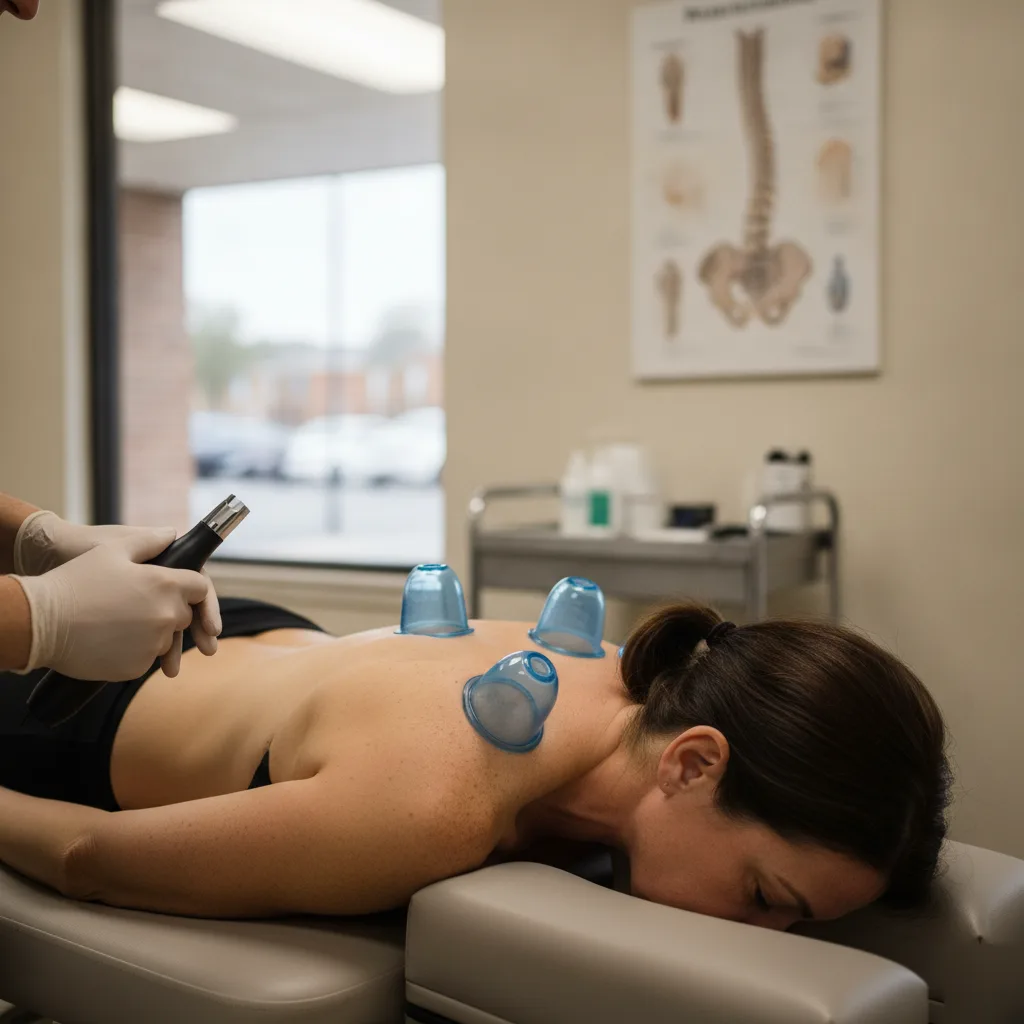
According to the Cleveland Clinic, cupping therapy often works best on tight muscles, chronic tension, and stubborn soreness that hasn't responded to stretching or rest.[1] We use it most for neck and shoulder tightness, low back tension, and general muscle recovery, often alongside acupuncture or other pain management care.
So who needs this? Most people who come in for cupping have one thing in common: tight, stiff muscle tissue that just won't release. Maybe it's the shoulder knot that never quite goes away. Maybe it's the lower back that feels tight every morning. Cupping pulls the skin and muscle layer upward instead of pressing down like a massage does. That different direction of pressure can loosen tissue that's been stuck for a while.
We see this often with patients dealing with tension headaches, tight traps from desk work, or soreness that lingers after a hard workout. It's also common for folks recovering from an auto injury, where muscles around the neck and shoulders tighten up as a protective response. Cupping can help loosen that guarding pattern so the area moves better again.
- Chronic muscle tightness in the neck, shoulders, or upper back
- Low back tension that flares with sitting or standing too long
- Soreness left over from sports activity or physical work
- Tension patterns tied to stress or poor posture
- General muscle recovery support alongside acupuncture treatment
Not sure if your issue fits this list? That's a common question. Cupping isn't a stand-alone fix for everything. Sharp joint pain, disc issues, or nerve-related pain like sciatica usually need a different approach first. That's where a broader plan, sometimes combining cupping with acupuncture treatment or chiropractic care, makes more sense than cupping on its own.
What Happens During a Cupping Session
So here's what happens. You lay down, we talk through what's bothering you, and we pick the spots that need work. Most folks picture something dramatic, it's really not. The cups go on, usually along the back, shoulders, or wherever you're holding tension, and each one creates a gentle suction that pulls the skin up just slightly.
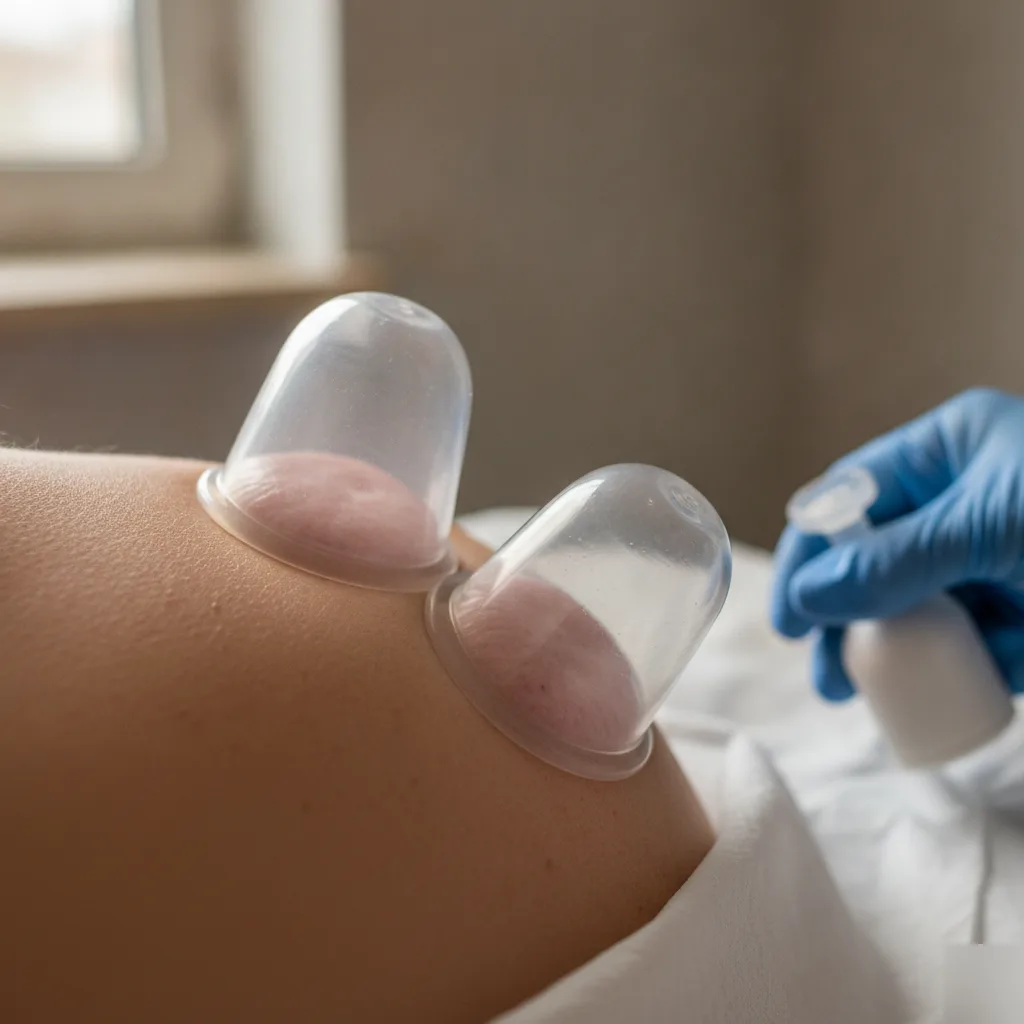
We use suction, not fire, for the cupping we do here. The cups stay put for several minutes while you relax on the table. Some people feel a tight pulling sensation at first, then it eases off fast. Most patients tell us it feels more like a deep stretch than anything painful.
- We check in about your specific problem area, whether that's tight shoulders, low back tension, or stress you're carrying in your neck
- Cups get placed and adjusted based on where you need the most work
- You rest for several minutes while the suction does its job pulling blood flow to the surface
- We remove the cups and check the skin, some redness or circular marks are normal and fade over the following days
- We talk about how you're feeling and whether cupping fits into a bigger plan with your chiropractic care or acupuncture
A lot of our Leesburg patients come in already seeing us for chiropractic adjustments or acupuncture, and cupping gets added in as one more tool for stubborn muscle tightness. It's not a stand-alone fix for everything. It works best as part of the bigger picture with your treatment plan.
Not sure if the marks will show under a summer dress or work shirt? That's one of the most common questions we get, and we'll talk about placement options with you before we start.
Signs You Should Skip Cupping and See a Doctor First
Cupping isn't right for everyone. It's a great fit in most cases, but there are situations where we'll tell you to hold off, or see a doctor first.
- You're pregnant and past the first trimester, especially over the low back and abdomen area
- You have a bleeding disorder or you're on blood thinners
- You have broken or fragile skin, a recent sunburn, or an open wound in the area
- You have a fever, an active infection, or you're just getting over the flu
- You have a skin condition like eczema or psoriasis flaring up right where the cups would go
- You've had a stroke or you have uncontrolled high blood pressure
If any of that sounds like you, that's not a dealbreaker forever. It just means we need to talk through it first, or wait until things settle down. Some of these are temporary. A fever clears, a cut heals, and cupping is back on the table.
We also see people who think they need cupping when what they need is a straight adjustment or an X-ray. Sharp shooting pain down a leg, numbness in your hands, or pain that came from a fall or a car accident, that's not a cupping problem. That's something our doctors need to look at directly before we touch anything with suction.
Not sure which category you fall into? That's a normal question, and it's a quick conversation.
Trusted health and wellness providers in Leesburg.How Cupping Pricing Structures Typically Work
Cupping pricing across the industry usually comes down to a few things. How long the session runs. Whether it's done alone or added onto another visit. And how many cups get used on your body that day.
Most clinics that offer cupping treat it one of two ways: some bill it as its own visit. Others fold it into an acupuncture treatment since the two often get paired together for pain and stress. Many folks come in for one issue and leave with a plan that touches both.
- Session length: a quick targeted cupping session costs less time and effort than a full-body approach
- Combined care: pairing cupping with acupuncture treatment often changes how a visit is billed
- Number of cups and areas treated: more spots worked means more time on the table
- Follow-up frequency: some conditions need a few sessions close together, others just need one
Before you book anywhere for cupping, ask what's included. Is it a standalone treatment, or part of a bigger visit? Will you need more than one session to feel a real difference? A good provider should answer that plainly, not dance around it.
We look at your goals first, then talk through what makes sense, not the other way around.
Preparing for and Recovering from a Cupping Appointment
Getting ready for cupping is simple: wear something loose, or plan to expose the area we're treating, usually your back or shoulders. Eat something light beforehand, cupping on an empty stomach can leave you lightheaded. Skip the sunburn and skip shaving right before your visit. Irritated skin doesn't need suction added on top.
During your visit we'll talk through what you're dealing with, then place the cups based on where you're tight or where energy feels stuck. Some spots pull harder than others. That's normal.
- Drink water after your session, it helps your body process what got released
- Keep the treated area covered for a few hours if you're heading back out into cold air
- Skip the gym and skip hot showers for the rest of the day
- Expect round marks that fade over several days to about a week
- Call us if a mark seems unusually painful or doesn't start fading within a week
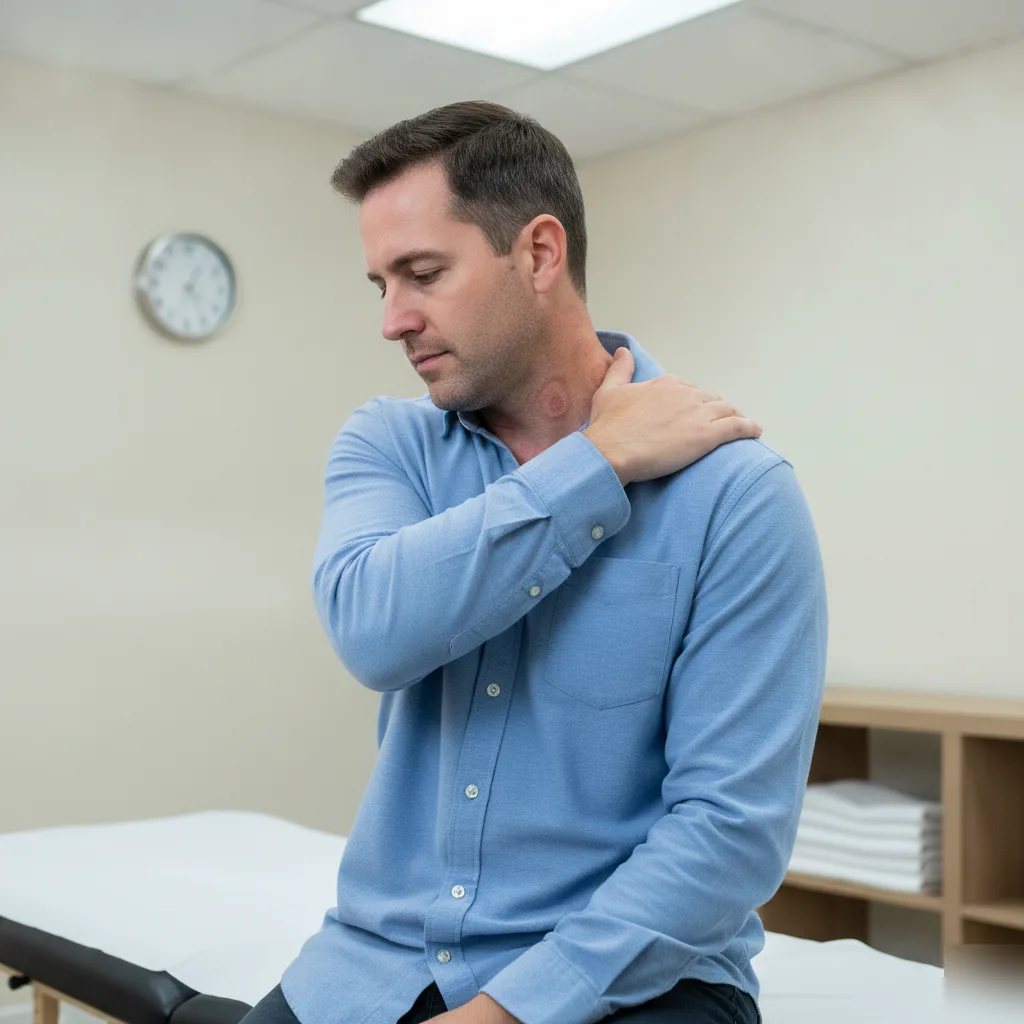
Those circular marks throw people off the first time. They're not bruises in the injury sense, they're just increased blood flow to the surface. Most fade within five to ten days depending on your skin and how tight that area was to begin with.
Most patients tell us they feel looser within a day or two, sometimes sooner. If you're combining cupping with acupuncture treatment or chiropractic adjustment as part of a bigger plan, we'll map out timing so the two don't compete for your body's attention on the same day.
Cupping services for Leesburg patients.Frequently Asked Questions
Common questions from Leesburg patients about cupping therapy.
Does cupping hurt?
Cupping shouldn't hurt, though you may feel a tight pulling sensation when the cups first go on. That feeling usually eases off fast once you settle in. Most patients describe it as more like a deep stretch than pain. If something feels sharp or truly uncomfortable, tell your provider right away so they can adjust the cups or the area being treated.
Will cupping leave marks on my skin?
Yes, cupping often leaves round marks or some redness where the cups sat, and that's normal. These marks fade over the following days as circulation returns to normal. If you're worried about marks showing under a summer dress or work shirt in Leesburg's warmer months, mention it before your session. Your provider can talk through placement options so the marks stay covered by your clothing.
How is cupping different from a massage?
Cupping pulls the skin and muscle layer upward, while massage presses down into the tissue. That upward pull can loosen tight spots that haven't responded to a regular massage or stretching. It's often used for stuck muscle tissue like shoulder knots or a low back that feels tight every morning. Many people pair it with acupuncture or chiropractic care for a fuller approach to muscle tension.
Can cupping help with tension headaches or tight shoulders from desk work?
Yes, cupping is commonly used for tension headaches and tight traps caused by long hours at a desk. The suction helps loosen muscle that's been stuck in a guarded, tense pattern. This is especially common with folks doing remote or office work around Leesburg who sit for long stretches without much movement. Cupping works best alongside stretching and posture changes, not as a stand-alone fix.
Is cupping safe if I'm recovering from a car accident?
Cupping can help once your doctor has ruled out anything more serious, like disc issues or nerve pain. Muscles around the neck and shoulders often tighten up as a protective response after an auto injury, and cupping can help loosen that guarding pattern. Sharp, shooting pain or numbness needs a direct exam first. Talk with your provider about where you are in recovery before adding cupping to your plan.
What conditions should I skip cupping for and see a doctor instead?
Skip cupping if you have a bleeding disorder, broken or fragile skin, a fever, or an active infection. It's also best to hold off if you're pregnant past the first trimester or have uncontrolled high blood pressure. Most of these situations are temporary, so cupping may be an option again once things settle down. A quick conversation with your provider can clear up which category you fall into.