
Nutritional Counseling in Leesburg, VA
Sit down with us to look at what you're eating, what your body's dealing with, and where the gaps are, as part of a bigger plan for how you feel.

What Nutritional Counseling Involves
Nutritional counseling here means sitting down with you to look at what you're eating, what your body's dealing with, and where the gaps are. It's not a printed diet sheet; it's part of a bigger plan that might include chiropractic care, acupuncture, or supplements, depending on what your body needs.
So what happens in the room? We ask about your energy, your sleep, your digestion, your stress. For a pregnant mom, that conversation looks different than it does for someone managing chronic pain or trying to get their gut back on track postpartum.
We're looking at patterns, not just symptoms. Often, someone comes in thinking they have a headache or fatigue problem, and it turns out their meals are irregular or missing key nutrients their body needs to function well. And that's the piece nobody else asked about.
- A conversation about your current eating habits, cravings, and energy patterns
- Discussion of how nutrition connects to whatever brought you in, whether that's back pain, pregnancy, or general wellness
- Guidance on whole foods and eating patterns that support your specific stage of life
- When it fits your plan, a look at nutritional supplements to fill gaps food alone isn't covering
For expecting mothers and postpartum patients especially, this piece matters. Your body's building a whole new set of demands on itself. We fold nutritional counseling into the same visit as prenatal chiropractic care or Webster technique work when it makes sense. That way you're not juggling five separate appointments for one goal: feeling better.
Nutritionist vs. Dietitian: Know the Difference Before You Choose
Here's something we get asked a lot: is nutritional counseling the same as seeing a dietitian? No, and the difference matters for what you're trying to fix.
According to the Academy of Nutrition and Dietetics, a registered dietitian usually works within a medical framework, often managing diagnosed conditions like diabetes or kidney disease with strict clinical protocols.[1] Nutritional counseling at our clinic looks different. We're looking at how what you eat connects to your whole body, your energy, your hormones, your recovery from pain, your pregnancy or postpartum health. It's less about counting grams and more about finding patterns that are working against you.
So who's this for? A new mom who's exhausted and can't figure out why. Someone dealing with chronic inflammation on top of their back pain. A person whose energy crashes every afternoon and nobody's connected the dots.

- You want food and lifestyle guidance tied into your overall care plan, not a separate referral
- You're dealing with fatigue, inflammation, or slow recovery alongside pain or posture issues
- You're pregnant or postpartum and want nutrition support that fits your changing body
- You want practical, doable changes, not a rigid meal plan you'll abandon in two weeks
If you've got a diagnosed disease that needs medical nutrition therapy, that's a conversation for your physician or a dietitian. But if you're trying to feel better day to day and want it handled alongside your chiropractic care, that's exactly the lane we're in.
Healthcare that cares for the whole body in Leesburg.Signs You Would Benefit From Nutritional Counseling
So how do you know if this is for you? Many people wait until they're exhausted before they ask about food and nutrients. You don't have to wait that long. If your energy crashes every afternoon, or you're pregnant and not sure what your body needs right now, that's a normal reason to bring it up. Same goes for new moms whose sleep is wrecked and whose meals have become an afterthought.
- You're pregnant or postpartum and want to know what nutrients matter most right now
- You feel tired most days even after a full night's sleep
- Your digestion feels off, bloating, discomfort, irregular patterns
- You're dealing with chronic pain and wonder if inflammation from your diet is part of it
- You're trying to conceive and want your body in better shape for it
- Your child is a picky eater and you're worried about gaps in their growth
We see this often: a mom comes in for her own back pain, and halfway through the conversation she's asking about her toddler's appetite too. That's not off topic. Families come as a package, that's just how it works. Nutritional counseling here fits into a bigger picture of care for pregnancy, postpartum recovery, and childhood development.
Not sure your symptoms are worth mentioning? That's pretty common too. Fatigue, brain fog, and slow healing after an injury often trace back to what's on your plate, or what's missing from it. If you're already coming in for chiropractic adjustment or acupuncture treatment and something still feels unresolved, nutrition might be the missing piece.
When You Might Not Need a Formal Counseling Program
Not everyone walking into our Leesburg office needs a full nutritional counseling plan. Some folks just need one good conversation and a nudge in the right direction.
If you're generally healthy, sleeping fine, and your only question is something small, like whether to add more fiber or cut back on sugar, you probably don't need ongoing sessions. A single visit or even a quick chat during another appointment can cover it. We see this a lot with patients who already come in for chiropractic adjustment or acupuncture treatment. They ask a food question in passing, we answer it, done.
Same goes if you're already working with a doctor who's managing a specific medical condition through diet, say a cardiologist tracking your cholesterol numbers. In that case, layering on a separate counseling program might just be extra noise. Your existing care team already has the data and the plan.
So when does it make sense? Usually, it's when someone's tried the basic stuff on their own: cutting carbs, counting calories, whatever the latest thing is, and nothing's sticking. Or when there's something bigger going on underneath, like a pregnancy, a fertility goal, chronic pain that flares with certain foods, or stress that's driving eating patterns nobody can name. That's different from just wanting general tips.
Here's the test. If you could Google your question and feel satisfied with the answer, skip the formal program. If you've already tried that and you're still stuck, that's usually the sign you need a real conversation, not another article.
How Nutritional Counseling Is Typically Priced
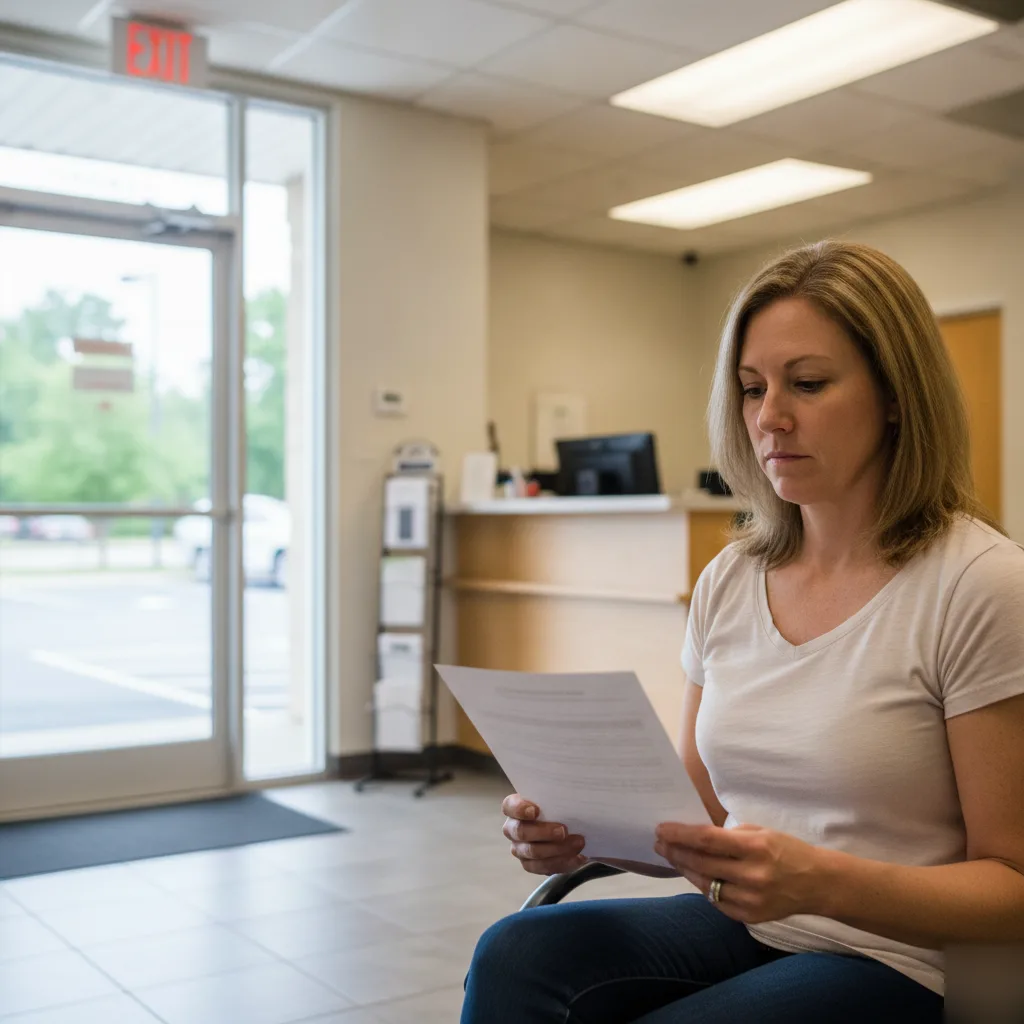
Nutritional counseling gets priced a few different ways depending on the clinic. Some places charge per visit. Some fold it into a care plan alongside chiropractic adjustments or acupuncture. Some offer it as a standalone consultation. None of that is set in stone across the industry, so it's worth asking directly what model a provider uses before you book.
A few things tend to drive costs up or down. Session length matters. A quick check-in costs less time than a full intake where someone's mapping out your history, symptoms, and goals. Whether it's a first visit or a follow-up matters too. First visits usually take longer because there's more to cover.
Here's what usually moves the price:
- Length of the session, a first consult runs longer than a check-in
- Whether it's bundled with other care like chiropractic or acupuncture
- How many follow-up visits your plan calls for
- Whether supplements or specific protocols are part of the recommendation
That last one trips people up. Nutritional supplements, if recommended, are usually priced separately from the counseling session itself. Don't assume they're bundled in. Ask up front.
So what should you ask before you book? Ask how long the first session runs. Ask if follow-ups are included or billed separately. Ask whether the plan is a one-time conversation or an ongoing part of your care. We've had patients come in expecting a single chat and leave with a much clearer picture of how nutrition ties into their pain, energy, or recovery. That's usually when the real value shows up, not in the first five minutes.
Have questions about your nutrition? We have answers.Frequently Asked Questions
Common questions from Leesburg patients about nutritional counseling.
Is nutritional counseling the same as seeing a dietitian in Leesburg?
No, nutritional counseling and dietitian care are different. A dietitian usually works within a medical framework, managing diagnosed conditions like diabetes with strict clinical protocols. Nutritional counseling looks at your whole body, your energy, hormones, and recovery from pain or pregnancy. If you have a diagnosed disease needing medical nutrition therapy, that's a conversation for your physician. If you want practical changes tied to your overall care, nutritional counseling fits that lane.
How do I know if I need nutritional counseling instead of just a quick question answered?
You probably don't need ongoing sessions if you're healthy and just have one small question, like adding fiber or cutting sugar. Many patients already coming in for a chiropractic adjustment or acupuncture just ask a food question in passing, and that's enough. Ongoing counseling makes more sense when fatigue, digestion issues, or chronic pain keep showing up and food seems connected. A single conversation can often cover the simple stuff.
What happens during a nutritional counseling visit?
You'll sit down and talk about your eating habits, energy, sleep, and digestion. It's a conversation, not a printed diet sheet handed to you. We look for patterns, not just symptoms, so a headache or fatigue complaint often traces back to irregular meals or missing nutrients. The conversation shifts depending on your situation, whether you're pregnant, managing chronic pain, or recovering postpartum.
Can nutritional counseling help with pregnancy and postpartum recovery in Leesburg?
Yes, nutrition support during pregnancy and postpartum is a big part of what we do. Your body is building new demands on itself during pregnancy, and postpartum recovery brings its own set of nutrient gaps. We often fold this counseling into the same visit as prenatal chiropractic care or Webster technique work. That way you get support for both your body and your changing nutritional needs without adding extra appointments to your week.
What are signs I would benefit from nutritional counseling?
Afternoon energy crashes, bloating, chronic pain, and trouble conceiving are common signs worth bringing up. New moms whose sleep is wrecked and meals become an afterthought fit here too. So do parents of picky eaters worried about growth gaps. You don't have to wait until you're exhausted to ask about it. If something feels unresolved after chiropractic or acupuncture care, nutrition might be the missing piece.
Does nutritional counseling replace my doctor's advice for a medical condition?
No, it doesn't replace medical care for a diagnosed condition. If a cardiologist is already tracking your cholesterol through diet, that team has the data and the plan already. Layering on a separate counseling program in that case might just add noise. Nutritional counseling works best alongside your care, filling in gaps around energy, inflammation, and recovery that your medical team isn't focused on.