
Pain Management Acupuncture in Leesburg, VA
For pain that keeps coming back or won't fully go away, once the serious causes have been ruled out. A drug-free option, or something to add to the care you already get.
Who Pain Management Acupuncture Is For
Pain management acupuncture fits best when your pain keeps coming back or won't fully go away, and the serious causes have already been ruled out. It's a good match if you want a drug-free option or want to add something to the care you already get. If your pain is brand new, severe, or unexplained, get it checked by a medical doctor first.
Most people who ask about acupuncture for pain aren't on day one. They've had the sore back or tight neck for months. They've stretched, rested, and taken pills. The pain eases for a bit and then comes back. If that sounds like you, you're the person this service is built for.
Here's who tends to be a good fit:
- People with ongoing low back pain that flares when they sit, lift, or sleep wrong.
- People with neck and shoulder tension from desk work, long drives, or carrying kids.
- People with sciatica, where pain or tingling runs down the back of one leg.
- People who get tension headaches or migraines again and again.
- People with sore hips or joints that ache more on some days than others.
- People who want to lean less on pain pills, or can't take them because of side effects or other health needs.
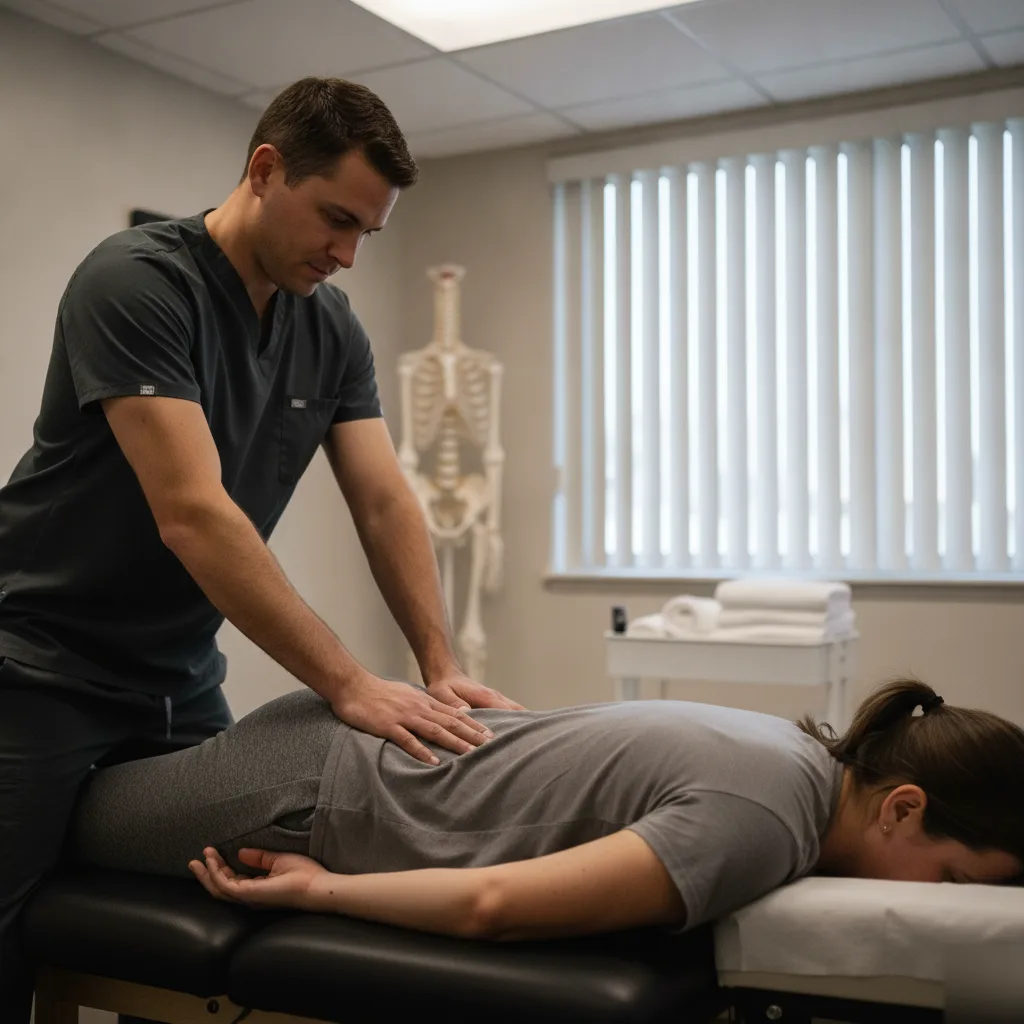
- People already getting chiropractic or other care who want to add something rather than switch.
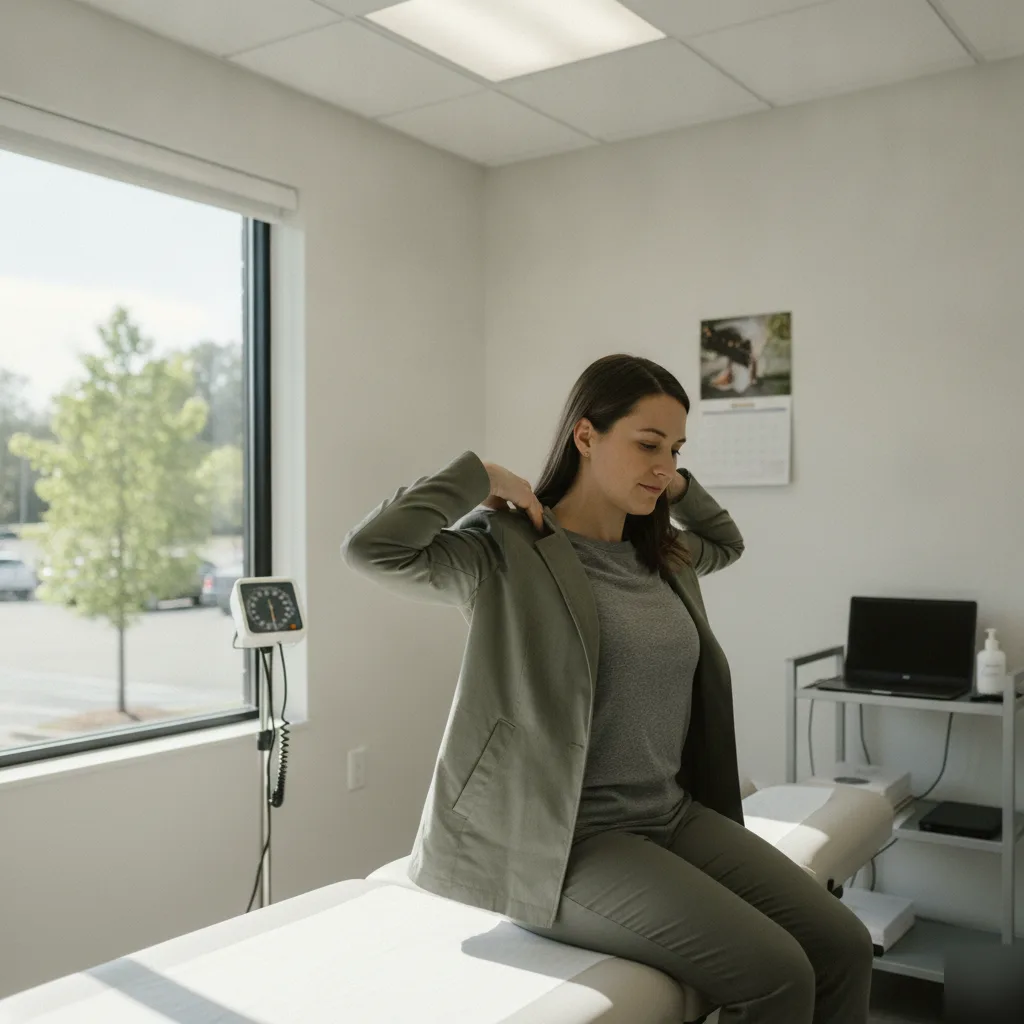
That last point matters. Acupuncture doesn't have to replace what's already helping you. Lots of people use it next to other care, and our clinic also offers back pain treatment, neck pain treatment, sciatica treatment, and headache and migraine relief if you want to talk about how they fit together.
Moms-to-be often ask about this, too. Pregnancy can bring back pain, hip pain, and sciatica, and many medicines are off the table. If you're expecting, we have a separate pregnancy acupuncture page that covers that care in more detail. Tell your provider you're pregnant before any session.
Now for the honest part. Acupuncture isn't the right first step for everyone. You should wait, or see a medical doctor first, if:
- Your pain is new and you don't know what caused it.
- You just had a fall, car crash, or other injury and haven't been checked yet.
- Your pain is getting worse fast, or it comes with fever, weakness, or numbness that keeps spreading.
- You've been told you need surgery or urgent care for the problem.
In those cases, you need a clear answer about what's going on before you treat the pain. Acupuncture can still be an option later, once you know it's safe.
A few other things to bring up before you start. If you take blood thinners, have a bleeding problem, have a pacemaker, or get very nervous around needles, say so at the start. Most of these don't rule you out. They just change how your provider plans your care.
And if your pain is mild and fades on its own with rest and movement within a week or two, you may not need acupuncture at all. Save it for the pain that keeps coming back and keeps getting in the way of your life.
Combining Acupuncture With Chiropractic Care for the Same Pain
You don't have to choose between acupuncture and chiropractic care. For pain that keeps coming back, they often work better as a team, because they go after the problem from different sides.
Think about a stiff lower back that flares every few weeks. A chiropractic adjustment works on how your spine and joints move. If a joint is stuck or not moving well, the muscles around it tighten up to protect it. That tightness can hang on even after the joint moves better. Acupuncture works on that other piece: the tight, guarded muscles and the way your body sends pain signals. One helps the frame move. The other helps the tissue around it calm down.
That's why some people feel like an adjustment helps but doesn't last. The joint moves better for a day or two, then the muscles pull things right back. Adding acupuncture can give that muscle side some attention, too, so you're not fixing half the problem.
Here's where pairing the two often makes sense:
- Low back pain where the joint feels stuck and the muscles stay knotted
- Neck pain with tight shoulders that creep up toward your ears by the end of the day
- Sciatica, where a nerve is irritated and the muscles along the path are tense
- Tension headaches tied to a stiff upper neck
- Hip pain that changes how you walk and makes your back work harder

It's not always the answer. If one approach is already giving you lasting relief, you may not need to add the other. More care isn't better care. The goal is the least amount of treatment that keeps you feeling good and moving.
If you do want to try both, a few questions are worth asking up front:
- Should I get both on the same day, or space them out?
- Which one makes sense to start with for my kind of pain?
- How will we know if adding acupuncture is helping?
- When should I expect to need fewer visits?
There's no single right order. Some people do both in one trip. Others switch back and forth from week to week. What matters is that whoever treats you knows about all of your care, so the plan makes sense as a whole and nothing overlaps or works against itself.
Cost is the other practical piece. Two types of care usually means two separate charges, and insurance treats them differently. Some plans cover chiropractic care but not acupuncture, or cover a set number of visits for each. Before you start, call your insurance company and ask about both. Ask whether you need a referral, how many visits you get each year, and what you'll pay out of pocket. Knowing this ahead of time helps you plan care you can keep up with, which matters for pain that doesn't go away in one visit.
One of the easiest parts of combining care is having it in one place. Our clinic on Village Market Blvd SE offers chiropractic adjustments, acupuncture treatment, and chronic pain management. That means your care doesn't have to be split between offices that never talk to each other. If you're already seeing us for back pain treatment or neck pain treatment, you can ask about adding acupuncture at your next visit.
Have a look at all of our health services in Leesburg.When Acupuncture Is Not the Right First Step
Even after the red flags above are ruled out, acupuncture isn't always the best thing to try first. Sometimes a different step will get you further, faster. Here's when we'd tell you to hold off or start somewhere else.
Something you do every day is causing the pain. Needles can calm tight muscles. But if the cause shows up again tomorrow morning, the pain will come back with it. Look at your daily habits first:
- A desk chair that's too low, or a laptop you use on the couch
- A heavy bag or toddler you always carry on the same side
- Shoes that are worn flat on one edge
- A pillow that leaves your neck bent all night
Fix what you can there, then see what pain is left. Our clinic is built on addressing the root causes of pain rather than just managing symptoms, so that's often where the conversation starts.
You were just in a car crash. Once you've been checked medically, it helps to have your injuries documented early, especially if you plan to file an insurance or injury claim. Our clinic offers auto injury chiropractic care and whiplash treatment, which may be a better starting point. You can add acupuncture later if the pain hangs on.
The thought of needles makes you clench up. A little nervousness is normal. But if just thinking about it makes every muscle tense, that works against what you came for. Start with something else, like cupping therapy or a chiropractic adjustment, and come back to acupuncture when you feel ready.
You need a one-visit fix. Acupuncture for pain that's been around for months usually works over a series of visits, not one. If your schedule or budget can't handle that right now, it's smarter to wait. Doing one session and then deciding it didn't work doesn't give you a real answer.
You want to stop the care your doctor prescribed. Don't quit a medicine or skip a treatment to try acupuncture instead. Use it alongside that care, and talk to your doctor before you change anything.
You've given it a fair try and nothing has changed. If your pain, sleep, and daily life look the same after several sessions, it's okay to stop. A good provider will say so and help you look at other options instead of booking more of the same.
What Happens During a Pain Management Acupuncture Visit
A pain management acupuncture visit is calmer than most people expect. You'll talk about your pain, lie down, get a few very thin needles, and rest. Most of the visit is quiet time. Here's how it usually goes, so nothing catches you off guard.
It starts with questions, not needles. Your provider will want to know where it hurts, how long it's been going on, and what makes it better or worse. Expect questions about sleep, stress, work, and how you move during the day, too. That isn't small talk. Pain that keeps coming back usually has a pattern, and the details help your provider plan where to place needles and how to track whether things are changing.
It helps to show up with a few answers ready:
- When the pain started and what you were doing at the time
- What time of day it's worst
- What you've already tried, and what helped even a little
- Any medicines you take, especially blood thinners
- Whether you're pregnant or might be
Wear loose, comfortable clothes. Needles often go in spots on your arms, legs, back, or neck, and it's easier if you can roll up a sleeve or pant leg. Eat a light snack beforehand so you don't feel lightheaded lying down on an empty stomach.
Then come the needles. According to the Cleveland Clinic, acupuncture needles are much thinner than the ones used for shots or blood draws.[1] Many people barely feel them go in. Once they're in place, you might notice a dull ache, a little heaviness, tingling, or warmth around the spot. That's normal. Sharp or burning pain isn't, so speak up right away if you feel it. Your provider can adjust or remove a needle in seconds.
Needles aren't always placed right where it hurts. Someone with low back pain may get needles in the lower back, but also in the legs or hands. That can seem odd at first. It's part of treating the whole pain pattern, not just the sore spot.
After that, you rest. The needles stay in while you lie still and breathe. A lot of people get very relaxed during this part, and some even doze off. If you're nervous, tell your provider. It's fine to ask what each step is before it happens.
Afterward, most people get up and go on with their day. You might feel relaxed, a little tired, or a bit sore where the needle was. A small bruise can happen now and then. Drink some water and go easy on hard workouts for the rest of the day if you can.
Pay attention to how you feel over the next few days, not just when you walk out the door. Did you sleep better? Did the pain flare less, or ease up sooner? Jot it down. With pain that keeps coming back, those small changes from visit to visit show whether the plan is working. They also help decide what comes next.
Pain management services available for Leesburg residents.How Many Sessions It Usually Takes to Feel a Difference
There's no single number that fits everyone. Pain that's been around for months usually needs a short series of visits before you can judge it, not just one. How much depends on your pain, your body, and what's feeding the problem day to day.
These are the things that tend to change the count:
- How long you've had it. A back that's been sore for a few weeks often settles sooner than one that's flared on and off for years.
- How often it flares. Pain that comes and goes gives you clear moments to compare. Pain that never lets up can take longer to shift.
- What's keeping it going? If the same chair, the same lift, or the same bad night's sleep keeps setting it off, progress will be slower until that changes.
- Other health factors. Stress, poor sleep, and other conditions can all make pain harder to calm down.
- What else you're doing. Pairing acupuncture with other care, as covered above, can change how fast things move.
Early change is often small. You probably won't walk out pain-free after just one visit. Watch for quieter signs instead. Maybe you fell asleep easier. Maybe the ache that usually hits by 3 p.m. didn't show up until dinner. Maybe a flare eased in two days instead of five. Those small wins count. They're often the first sign the plan is on track.
Visits are usually closer together at the start, then spread out as you improve. The idea is to build some momentum first, then step back and see how long the relief holds on its own. If you're feeling good for longer stretches, you shouldn't need to keep coming at the same pace. The goal is fewer visits over time, not more.
Before you start, it's fair to ask for a check-in point. That's a set visit where you and your provider look at what's changed and decide what's next. Good questions to ask:
- How many visits should I plan for before we check in?
- What kind of change should I look for by then?
- How often should I come at first, and when might that drop?
- What happens if my pain flares again later?
Clear answers help you plan your time and budget. They also keep you from quitting too soon or staying on autopilot too long.
Flare-ups can still happen after you feel better. A long road trip, a stressful month, or a weekend of yard work can bring old pain back for a bit. That doesn't mean the work was wasted. Many people come back for a visit or two when that happens, then return to their normal routine.
Frequently Asked Questions
Common questions from Leesburg patients about pain management acupuncture.
Does insurance cover acupuncture for pain management?
Some plans do, but coverage varies a lot from one insurer to the next. Call your insurance company before you book and ask if acupuncture is covered, whether you need a referral, and how many visits are allowed each year. This is worth doing even if you already know your plan covers chiropractic care, since the two are often treated differently.
Will acupuncture interfere with other pain treatments my doctor has me on?
It shouldn't, as long as everyone treating you knows your full care plan. Acupuncture is meant to work alongside medical treatment, not replace it. Never stop a prescribed medicine or skip a doctor-ordered treatment to try acupuncture instead, and tell your acupuncture provider about everything else you're doing for your pain.
Is acupuncture painful compared to other treatments like chiropractic adjustments?
Most people feel far less discomfort than they expect, since acupuncture needles are much thinner than the ones used for shots. You may notice a dull ache, warmth, or tingling, but sharp pain isn't normal and should be mentioned right away. If needles still make you tense up, it's fine to start with a chiropractic adjustment or cupping therapy first and try acupuncture later.