
Spinal Decompression in Leesburg, VA
Non-surgical, non-invasive traction that gives compressed discs a real chance to heal — for chronic back and neck pain that hasn't let up.
Recognizing When Back or Neck Pain Signals Disc Compression
Pain shooting down your leg or arm, numbness, tingling, or pain that worsens when you sit are signs of disc compression. Regular muscle soreness stays put and eases with rest. Disc pain doesn't.
Not all back pain is the same. How do you tell if it's just a tight muscle or something pressing on a nerve?
We see this every week. Someone walks in holding their lower back, saying it's fine in the morning but awful by afternoon. That pattern matters. Muscle strain tends to hurt right after you move wrong, then calms down over a few days. Disc compression builds. It follows a nerve path down your leg or across your arm, and it doesn't care how much you rest. Watch for these signs:
- Pain that runs from your lower back down one leg, past the knee
- Numbness or tingling in your fingers, hand, or foot
- Pain that gets worse when you sit for long stretches
- A sharp catch when you bend forward or twist
- Weakness in your grip or when lifting your foot
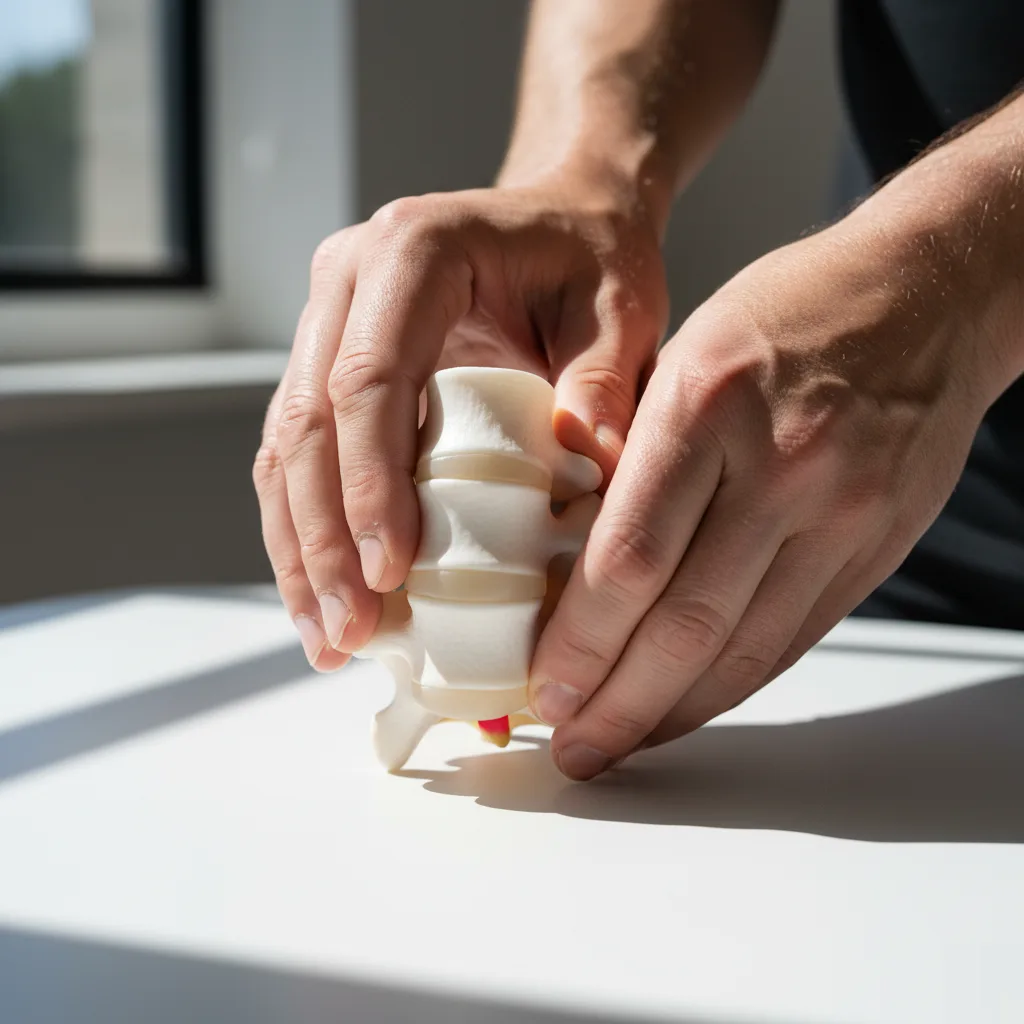
That third one — the sitting problem — we hear it a lot from folks who commute the Route 7 corridor into Leesburg. Long stretches behind the wheel load the discs in your lower back more than standing does. Add a desk job and the pressure never really lets up.
If your pain stays in one small spot and doesn't travel, that's usually muscle, not disc.
Sciatica flaring on your Leesburg commute? Get checked.Deciding Between Non-Surgical Decompression and Spine Surgery
Spinal decompression isn't a stand-in for surgery in every case. We won't tell you it is.
Most disc and nerve pain responds well to non-surgical care over several weeks. Most people feel steady improvement before month two ends. But some symptoms point somewhere else, and pretending otherwise doesn't help you. Which path are you on? A lot comes down to what your body is telling you, not just what an image shows. Some symptoms point straight toward surgery:
- Sudden loss of bladder or bowel control — this needs emergency care, not a chiropractic visit
- Progressive weakness in a leg or foot that keeps getting worse week over week
- Numbness spreading down both legs instead of staying on one side
- Severe pain that hasn't budged at all after a real trial of conservative care
See any of those? That's your body asking for a surgical evaluation. We'd tell you so plainly if we saw it in our office.
For everyone else, decompression gives the disc a real chance to heal without cutting anything. Most of the folks we see fall into that group, not the surgical one. We ask a handful of questions before starting anyone on a plan: how long has the pain been going on, does it change with position, has anything been tried already. Those answers tell us more than a single image ever could.
If you're stuck wondering which category you're in, that's worth a real conversation, not guesswork on your end.
When Spinal Decompression Isn't the Right Fit
Not every back problem needs spinal decompression. We say this a lot in our Leesburg office, probably more than we say anything else about this treatment.
If you're pregnant, this isn't the treatment for you. The traction and positioning aren't built for a pregnant body. We have other options like prenatal chiropractic care that fit much better. Fresh fractures, certain spinal hardware, and some advanced bone conditions also rule it out. A sharp new injury from a fall or car accident usually needs a different first step. Sometimes auto injury chiropractic care or straight rest makes sense before any traction work. Some things to keep in mind:
- Pain that's brand new, sharp, and tied to a specific fall or accident
- Pregnancy, at any stage
- Diagnosed spinal fractures or certain surgical hardware in the spine
- Severe osteoporosis where the bone can't handle gentle pulling force
- Pain that moves around and doesn't match a disc pattern at all
Here's the other honest answer. Sometimes your pain is muscular, not disc related. Tight hips, a rotated pelvis, a joint that's just stuck — those respond better to a gentle adjustment or roller table therapy first. Usually, we can tell the difference in one exam.
Which camp are you in? You probably don't know yet, and that's fine. That's what the exam is for.
We'd rather tell you decompression isn't the answer than run you through sessions that won't help. That costs you time you don't have to lose.
What to Expect During a Spinal Decompression Visit in Leesburg
Here's the thing about that first visit. Nobody walks in and gets stretched out on a table right away. We talk first. You tell us where it hurts, when it started, what makes it worse — sitting all day, bending to pick something up, whatever it is. Often, the story tells us most of what we need to know before we even touch you. Here's some things we go over:
- We ask about your pain, your daily routine, and what's already been tried.
- We run a hands-on exam to check movement, posture, and where the disc pressure sits.
- We explain whether spinal decompression fits your case, plainly, no jargon.
- You get set up for the session itself, fully clothed, no needles involved.
- We go over what to do at home afterward and when to come back.
Wondering if it's going to hurt? It shouldn't. Most patients describe a gentle pulling feeling, not pain. Some folks feel looser walking out the door. Others need a few sessions before the relief really sticks. That's normal — disc issues don't build up overnight and they don't unwind overnight either.
Say your sciatica flares up every time you sit through a long meeting or a car ride. That's a pattern we hear constantly in Leesburg, and it's exactly the kind of case decompression is built for.
Our team of two doctors keeps things simple and steady. Our patients have kept us at a 5.0 rating across more than 150 reviews. That kind of feedback tells us people leave feeling heard, not rushed.
Honest care for Leesburg families and individuals.Tracking Progress So You Know Decompression Is Working
How can you tell decompression is doing something? Good question. It's not guesswork on our end, and it shouldn't feel that way on yours.
We track a few things session to session. First, how far you can bend or turn without pain. Second, whether the pain has moved. That one surprises people, but it's a real sign of healing. Pain that starts in your lower back and radiates down your leg often pulls back toward the spine before it disappears completely. The BC Medical Journal calls that centralization, and it's usually one of the earliest clues the disc is responding.[1] Other markers we track include:
- Less numbness or tingling in the leg or foot
- Sitting for longer stretches without needing to shift or stand
- Sleeping through the night without pain waking you up
- Bending to tie your shoes or load the dishwasher without bracing first
We ask you these questions at check-ins, not just at the start. Often, people notice the sleep improvement before anything else. That's usually week two or three, not day one, so don't panic if session one feels underwhelming.
If nothing's shifting after several sessions, that tells us something too. Maybe the plan needs adjusting, maybe decompression isn't the right fit for what's going on. We'll say so. A treatment plan that isn't tracked is just a guess repeated, and that's not how we work.
Frequently Asked Questions
Common questions from Leesburg patients about spinal decompression.
How long does it take to feel relief from spinal decompression?
Most people notice steady improvement within a few weeks, with real progress often showing before the two-month mark. Disc pain builds up slowly, so it also tends to ease slowly rather than disappearing after one visit. Some folks feel looser walking out of their first session. Others need several sessions before relief really sticks. If you commute the Route 7 corridor into Leesburg and sit for long stretches, expect your body to respond gradually as the disc gets a real chance to heal.
Does spinal decompression hurt?
No, spinal decompression should not hurt. Most patients describe a gentle pulling feeling in the lower back, not pain. You stay fully clothed and no needles are involved. Before any session, we talk through your pain history and run a hands-on exam so you know what to expect. If something feels wrong during a session, tell us right away. The goal is steady, gentle traction, never a forceful stretch that leaves you sore.
What should I expect at my first spinal decompression visit in Leesburg?
Your first visit starts with talking, not stretching. We ask about your pain, your daily routine, and anything you've already tried, like sitting at a desk job or commuting into Leesburg. Then we run a hands-on exam checking movement, posture, and where the disc pressure sits. We explain plainly whether decompression fits your case before setting up any session. You leave with clear steps for home care and a plan for your next visit.
Who should not get spinal decompression?
You should skip spinal decompression if you're pregnant, have a fresh fracture, certain spinal hardware, or severe osteoporosis. A sharp new injury from a fall or car accident usually needs a different first step, like auto injury chiropractic care. If your pain moves around and doesn't follow a nerve pattern, it may be muscular instead of disc related, and a gentle adjustment works better. One exam usually tells us which camp you're in.
How do I know if my back pain is from a disc or just a strained muscle?
Disc pain follows a nerve path down your leg or arm and gets worse the longer you sit, while muscle strain usually stays in one spot and calms down with rest. We hear this constantly from Leesburg commuters who feel fine in the morning but awful by afternoon after sitting through Route 7 traffic. Numbness, tingling, or weakness in your grip or foot also points toward disc pressure rather than a simple strain.
What happens after a spinal decompression session ends?
After each session, we go over specific things to do at home and when to schedule your next visit. Most treatment plans run over several weeks since discs heal gradually, not overnight. You may feel gentle relief right away, or it may take a few sessions before the change really sticks. We check in regularly to see how your sitting tolerance and daily pain pattern are shifting as treatment continues.
Source
[1] BC Medical Journal. bcmj.org/articles/centralization-phenomenon-its-role-assessment-and-management-low-back-pain